
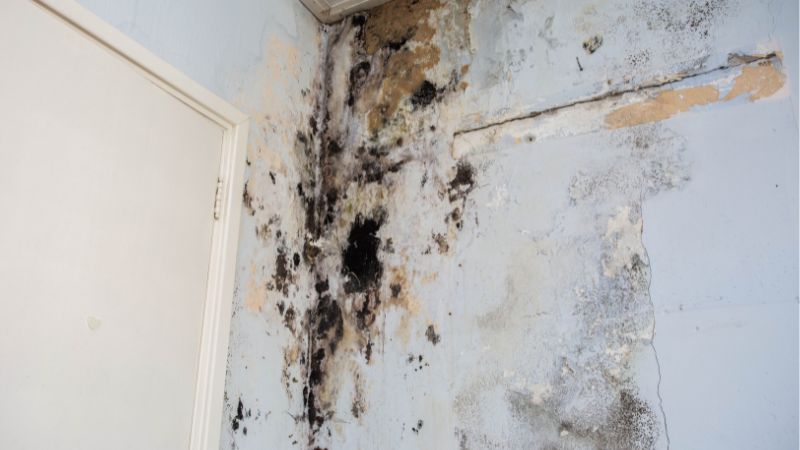
Have you ever walked into a room and been greeted by a lingering, musty odor? Or perhaps you’ve noticed unsightly dark patches creeping up your bathroom tiles. If so, you are likely dealing with the silent, creeping threat of mold growth.
High humidity is one of the most critical catalysts for mold. If you live in a high-humidity environment, you will find this resilient fungus almost everywhere, especially in kitchens, bathrooms, and basements. The battle against mold is rarely a one-time fight. To reduce or entirely eliminate it, you must control your indoor moisture levels.So, exactly at what humidity does mold grow, and how can you stop it? This comprehensive guide breaks down the science of mold, the ideal conditions for its formation, and actionable strategies to keep your home safe, dry, and healthy.
What Exactly is Mold?
At its core, mold is a type of fungus that thrives both indoors and outdoors. It comes in a vast array of colors, including black, green, white, and orange. In the natural world, mold plays an absolutely vital role in our ecosystem by breaking down dead organic material, such as fallen leaves and dead trees.
However, when this natural recycler crosses the threshold into your home, it becomes a severe problem. Not only can mold damage your property by eating away at building materials, but it can also compromise your indoor air quality. Managing it proactively is non-negotiable for a healthy living space.
At What Humidity Does Mold Need to Grow?
Mold spores are opportunistic. When indoor relative humidity reaches 55% or higher, you have inadvertently created a comfortable, welcoming environment for mold to thrive.
To effectively prevent mold growth, experts recommend keeping your home’s indoor humidity strictly between 30% and 50%. The absolute sweet spot for human comfort and mold prevention is ideally around 35% to 45%.
However, balance is key. Dropping your humidity below 30% creates an excessively dry environment. Overly dry air can irritate your skin, dry out your nasal passages, and make you more susceptible to respiratory illnesses. To maintain this delicate balance, using a digital hygrometer is highly recommended to monitor your relative humidity levels in real-time.
Table 1: Indoor Humidity Levels and Their Effects
| Relative Humidity Level | Human Comfort Level | Mold Growth Risk | Recommended Action |
|---|---|---|---|
| Under 30% | Uncomfortable (Dry skin, throat irritation) | Zero | Use a humidifier |
| 30% – 50% | Ideal Comfort Zone | Very Low | Maintain current environment |
| 55% – 60% | Slightly Clammy | Moderate (Spores begin to settle) | Improve ventilation |
| 60% – 70%+ | Uncomfortable & Muggy | High to Severe | Use a dehumidifier immediately |
| The Ingredient | Why Mold Needs It | How You Can Disrupt It | |
| Moisture | Essential for cellular growth and reproduction. | Run dehumidifiers; fix leaks; use exhaust fans. | |
| Food (Organic Matter) | Provides energy to spread across surfaces. | Clean regularly; use synthetic or mold-resistant materials. | |
| Temperature (60-80°F) | Ideal climate for spores to activate. | (Difficult to alter as humans need this range; focus on moisture control instead). |
The “Mold Recipe”: Conditions for Mold Growth
While high humidity is the primary instigator, moisture alone isn’t enough. Mold requires a specific combination of elements to colonize. Think of it as a recipe. If you remove even one ingredient, you can stop the growth in its tracks.
- Abundant Moisture: This is the most critical factor. Mold requires “considerable moisture” to establish roots. This is usually caused by active water intrusion, heavy window condensation, or prolonged indoor humidity levels spiking above 60-70%.
- A Reliable Food Source: Mold feeds directly on organic matter. Unfortunately, our homes are built with it. Common building materials like drywall, wood, paper backing, and textiles contain the ideal nutrients for mold. Using mold-resistant materials and keeping surfaces dust-free helps limit their food supply.
- Suitable Temperature: Mold loves the exact same temperatures we do. Most molds grow rapidly in environments between 60°F and 80°F—the standard temperature range for indoor human comfort.
- Microscopic Mold Spores: Mold spores are virtually invisible and are always floating in both indoor and outdoor air. You cannot eliminate spores entirely. However, they only become a problem when they land on a surface that has both sufficient moisture and nutrients.
Table 2: The Mold Growth Formula
|
The Ingredient
|
Why Mold Needs It
|
How You Can Disrupt It
|
|---|---|---|
|
Moisture
|
Essential for cellular growth and reproduction.
|
Run dehumidifiers; fix leaks; use exhaust fans.
|
|
Food (Organic Matter)
|
Provides energy to spread across surfaces.
|
Clean regularly; use synthetic or mold-resistant materials.
|
|
Temperature (60-80°F)
|
Ideal climate for spores to activate.
|
(Difficult to alter as humans need this range; focus on moisture control instead).
|
Prime Real Estate: Common Residential Hotspots
Mold doesn’t grow evenly across your home. It seeks out microclimates where dampness lingers and airflow is stagnant. You should regularly inspect the following high-risk zones:
- Basements: Naturally cooler and often situated below ground, basements are notorious for high humidity. They easily harbor mold, especially if they lack proper thermal insulation and cross-ventilation.
- Bathrooms: Every hot shower creates a steam room effect. Frequent water use without the immediate aid of adequate exhaust fans leads to heavy condensation on walls and mirrors, making bathrooms the most common mold hotspot.
- Kitchens: Boiling water, washing dishes, and hidden refrigerator drip pans actively pump moisture into your air. Without a proper range hood, this dampness settles on walls, cabinets, and behind appliances.
- Attics: Poor roof ventilation traps rising heat and moisture. Combined with minor, unnoticed roof leaks, this creates a perfect storm for mold to attack your insulation, ceiling tiles, and wooden structural beams.
- Carpets and Drywall: Highly porous materials act like sponges. If they become wet from plumbing leaks, pet spills, or flooding, they provide an incredibly fertile breeding ground for mold colonies.
Sneaky Culprits: Reasons for High Indoor Humidity
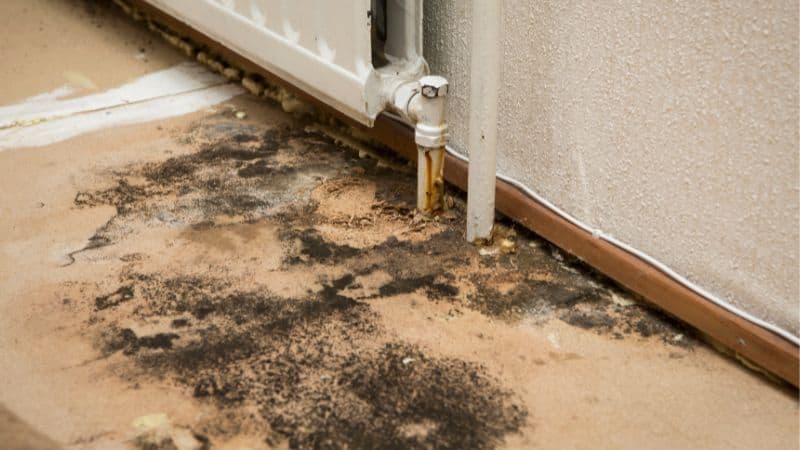
Understanding why your home is humid is the first step in solving the problem. Several everyday factors can silently drive up your moisture levels:
- Poor Ventilation: If stale air isn’t being regularly circulated and refreshed, humidity builds up rapidly. This is particularly prevalent in tightly sealed modern homes or windowless bathrooms.
- Everyday Household Activities: Daily chores are massive moisture generators. Showering, cooking, boiling pasta, and air-drying laundry indoors all release heavy water vapor into your home’s atmosphere.
- Seasonal and Regional Climate: Hot, muggy summer weather and naturally humid regional climates (like coastal or tropical areas) will easily dictate your indoor humidity if your house isn’t properly sealed against the elements.
- Insufficient Thermal Envelope: If an older house suffers from air leaks, degraded weatherstripping, or gaps in its outer structure, humid exterior air will effortlessly seep inside.
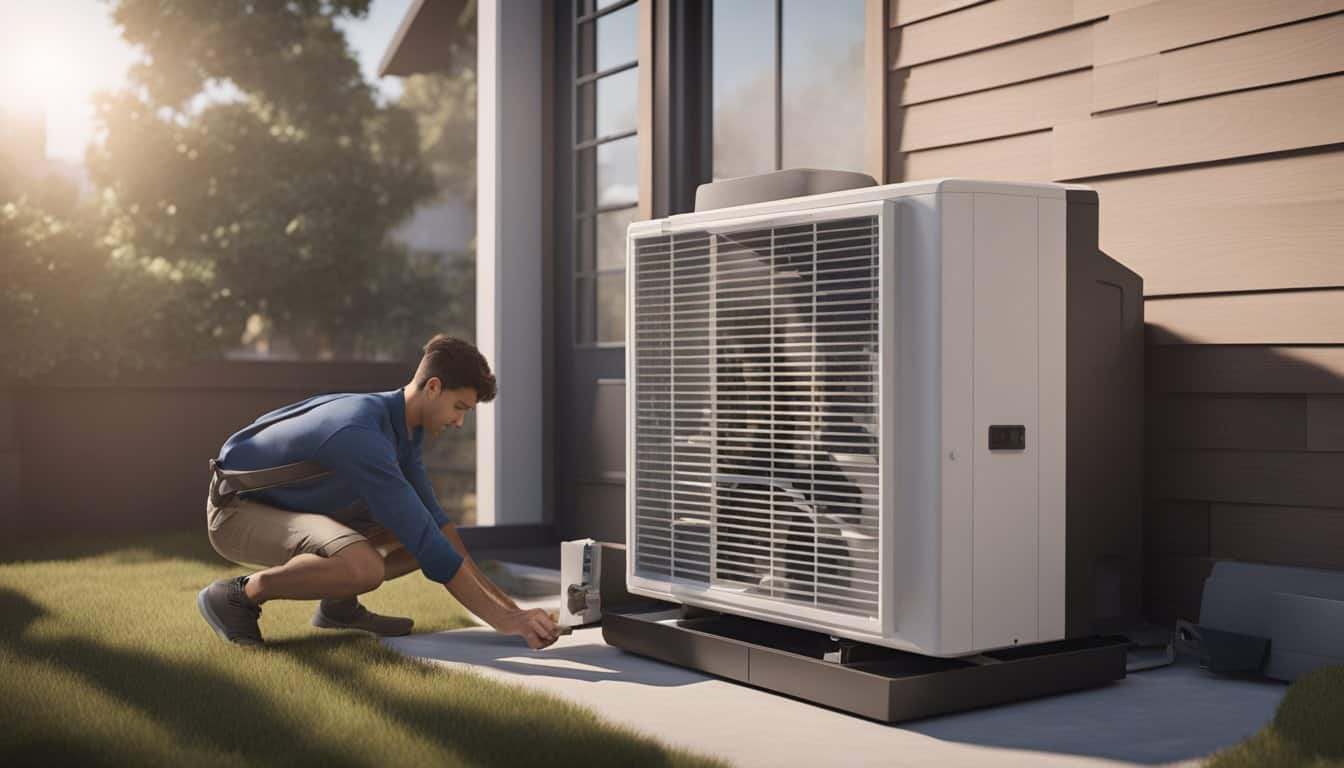
- Inadequate HVAC Systems: Your air conditioner naturally dehumidifies as it cools. However, if your AC unit is underpowered, or if it is oversized and “short-cycles” (turns off before finishing a full cycle), it won’t extract enough excess moisture from the air.
- Hidden Sources of Dampness: Chronic issues like slow-leaking roofs, rising dampness from foundations, and wet building materials left over from recent renovations will constantly feed moisture into your indoor air until professionally resolved.
Actionable Strategies: How to Prevent Mold Growth
Controlling humidity in your home is absolutely essential for your comfort, property preservation, and respiratory health. Below are targeted, highly effective strategies you can implement right away to manage moisture.
1. Vastly Improve Air Circulation
To fundamentally reduce humidity, you must enhance the ventilation across your entire home. Open windows and doors on breezy, dry days to allow fresh air to push out stale, damp air.- In the Bathroom: Always turn on your exhaust fan before you step into the shower. Leave it running for at least 15 to 30 minutes after you finish bathing to extract residual steam.
- In the Kitchen: Always use your vented range hood while cooking. This is vital when boiling water, simmering soups, or steaming vegetables.
- Throughout the House: In rooms lacking built-in exhaust systems, utilize portable oscillating fans or ceiling fans. Keeping air moving prevents moisture from settling onto cold surfaces.
2. Utilize Professional Moisture-Control Devices
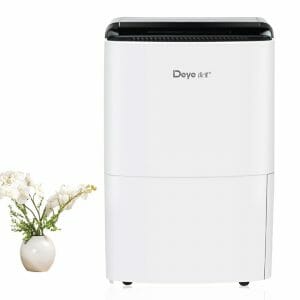
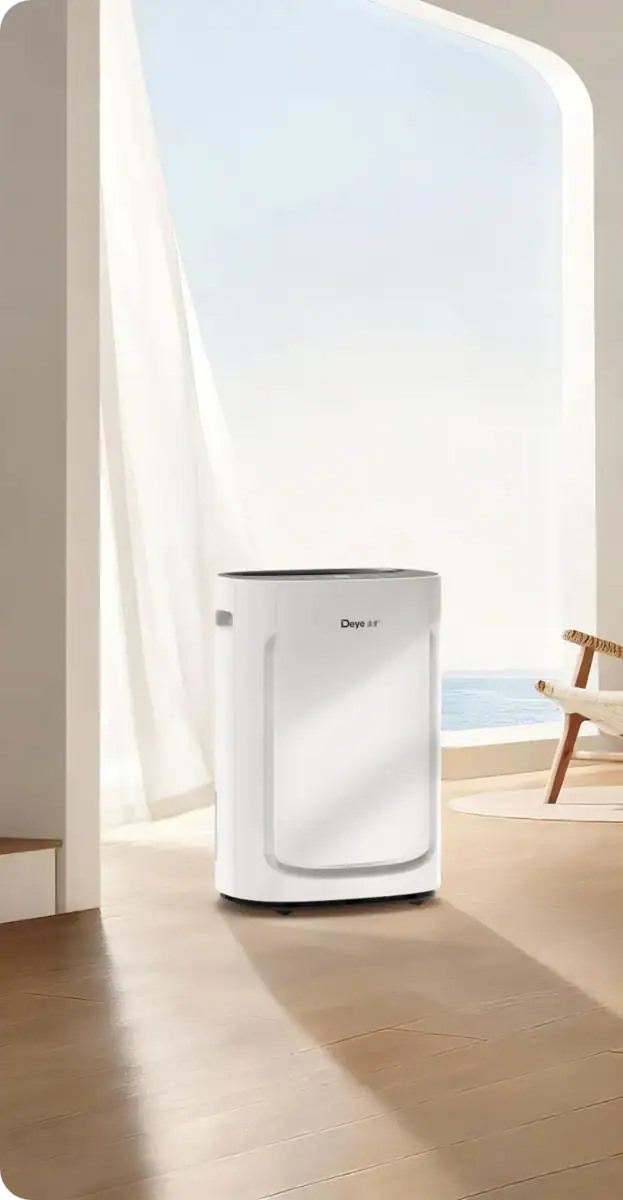
Technology is your best defense against pervasive dampness. Both dehumidifiers and air conditioners are pivotal tools for lowering humidity.- Deploy Dehumidifiers: A dehumidifier actively pulls ambient air in, extracts the liquid water into a bucket, and blows dry air back out. Set your device to maintain a target between 35% and 45%. Use portable units in damp basements, or invest in a whole-house system for severely humid climates.
- Optimize Air Conditioners: AC units cool the air and remove moisture as a natural byproduct. Ensure you schedule regular HVAC maintenance, clean your filters monthly, and check your drip lines so the system runs at peak dehumidifying efficiency.
3. Optimize Your Daily Household Routines
Small changes to your daily habits can drastically reduce the amount of water vapor you introduce into your home.- Smarter Laundry Habits: Whenever possible, hang wet clothes on an outdoor clothesline. If you must use a machine, ensure your dryer vent hose is securely connected and expels exhaust entirely outside the home.
- Dishwashing Tweaks: Avoid using excessively hot water wash cycles if they aren’t necessary. When the cycle ends, simply crack the dishwasher door open slightly to let the steam escape gradually, rather than billowing out in a massive cloud.
- Cooking Adjustments: Limit the amount of openly boiling water on your stove. Always use tight-fitting lids on your pots and pans to physically trap steam from escaping into your kitchen.
Conclusion
Winning the war against mold comes down to mastering one core element: moisture control. By understanding that mold thrives at humidity levels of 55% and above, you can take decisive action to keep your home in the safe 30% to 50% range.
By proactively improving your ventilation, utilizing dehumidifiers, and adjusting your daily routines, you can cultivate a vastly healthier, fresher, and completely mold-free living environment.
Take Action Today: Don’t wait to smell the mustiness. Invest in an inexpensive digital hygrometer to check your home’s current humidity levels today, and if you notice chronic dampness, consider upgrading your home’s dehumidification system to protect your family’s health and your property.