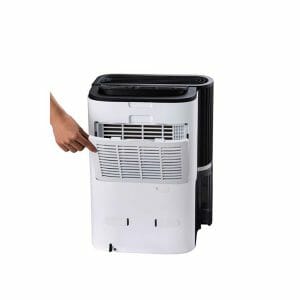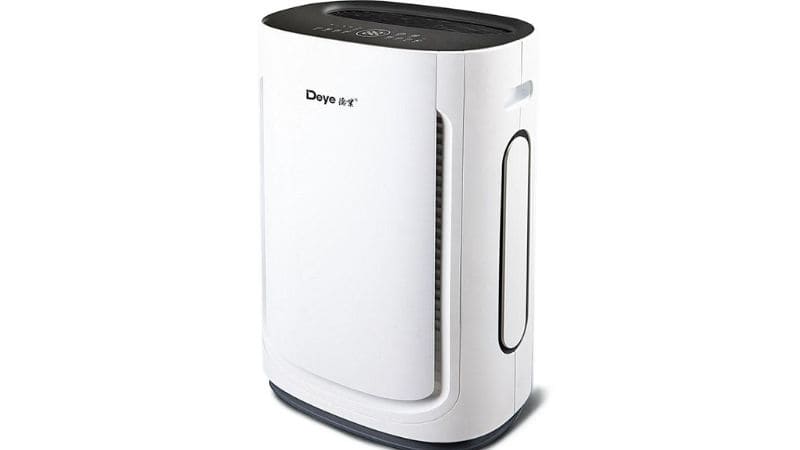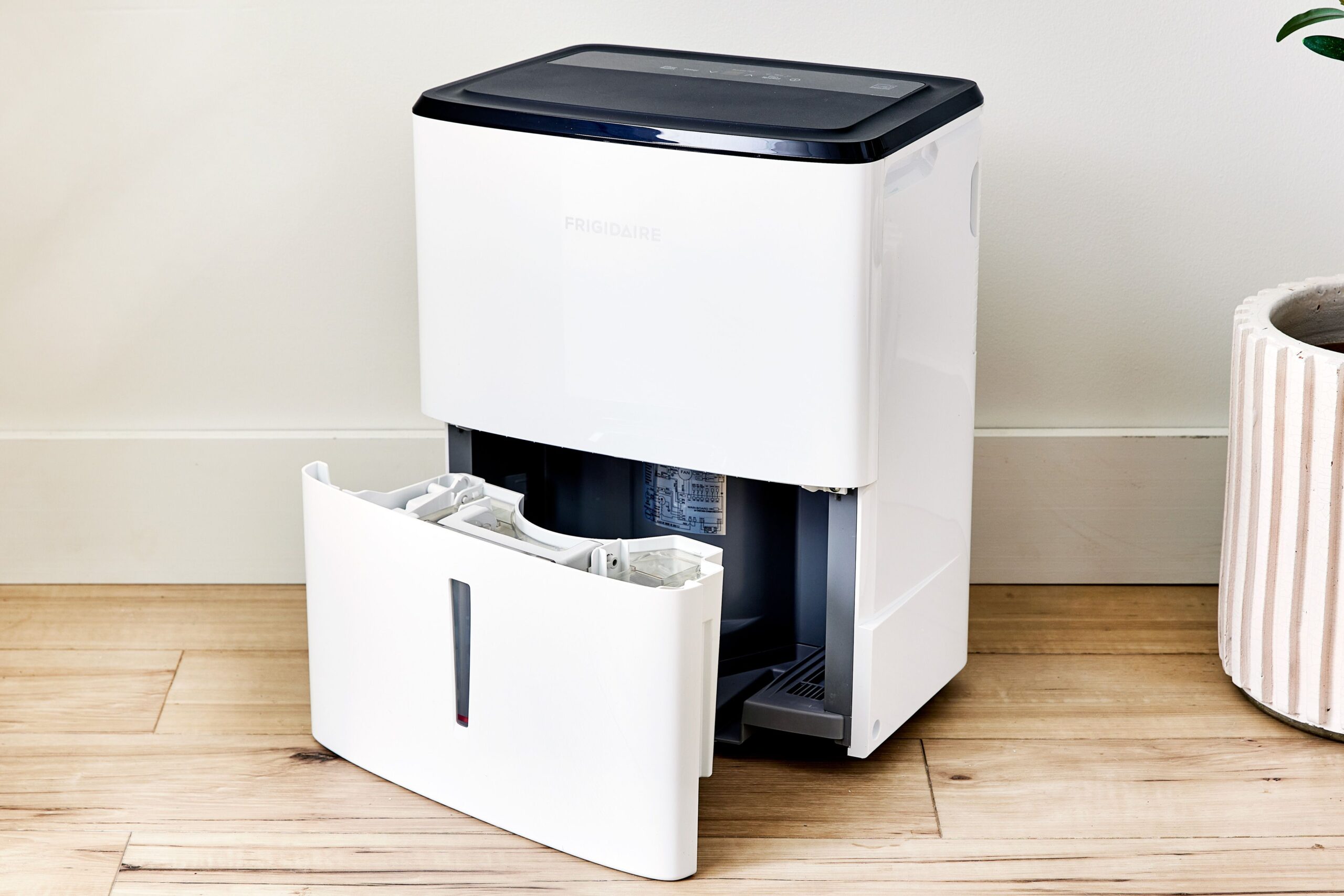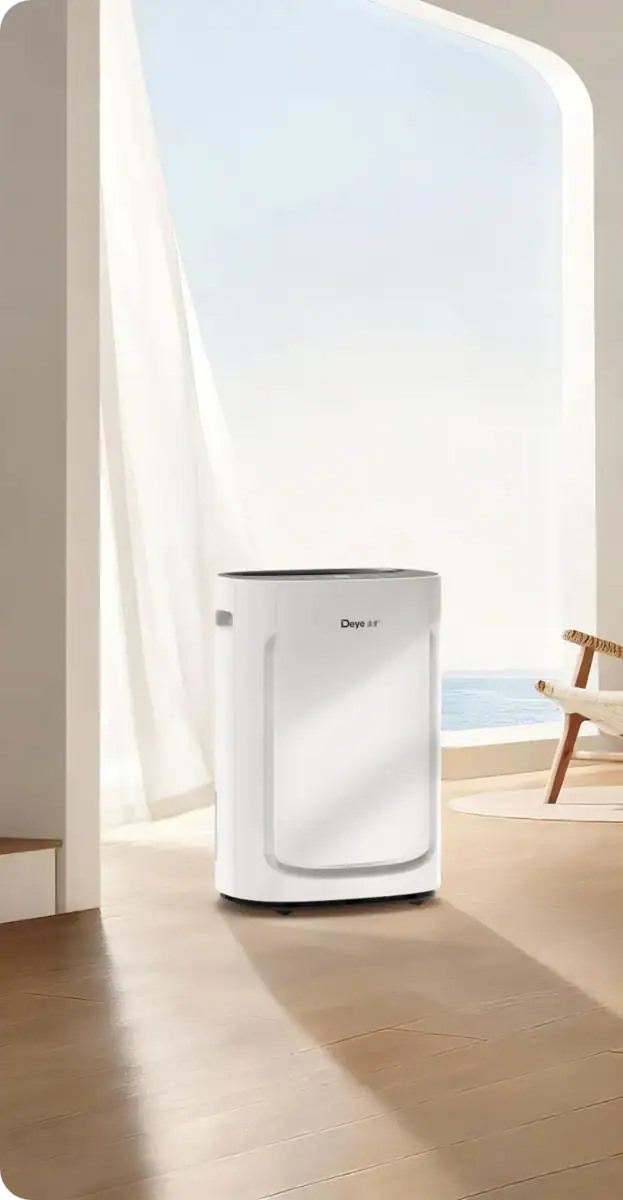

A dehumidifier removes moisture from the air ideal for bathrooms that stay damp long after showers. An exhaust fan vents humid air outside better for clearing steam during and right after bathing.
If you want the best solution for your space, you need to match the device to your bathroom layout, climate, and daily moisture pattern.

Bathroom Dehumidifier vs Exhaust Fan: What’s the Difference?
The main difference is simple:
- A dehumidifier pulls water out of the air
- An exhaust fan removes humid air from the room
Both reduce moisture, but one treats the air inside the bathroom, while the other pushes damp air outside.
Choose a Bathroom Dehumidifier for Persistent Dampness
If your bathroom stays damp long after showers, go for a portable dehumidifier. It cuts humidity and maintains steady moisture levels all day.
Choose an Exhaust Fan for Shower Steam
Pick an exhaust fan if moisture mainly builds up while showering. It swiftly vents warm humid air to prevent steam from sticking to mirrors, walls and ceilings.
When It Makes Sense to Use Both
Some bathrooms need both systems. This is especially common in:
- Humid climates
- Basement bathrooms
- Windowless bathrooms
- Bathrooms with poor natural airflow
In these situations, the exhaust fan removes heavy shower steam, while the dehumidifier controls lingering moisture during the rest of the day. Together, they offer better protection against mold, mildew, and condensation.
How a Bathroom Dehumidifier Works
A bathroom dehumidifier pulls room air through the unit and removes moisture before releasing drier air back into the space.
Refrigerant Dehumidifiers
Most portable dehumidifiers use cold coils. As humid air passes over the coils, water condenses into liquid and drips into a tank or drain hose. The dry air is then circulated back into the room.
Desiccant Dehumidifiers
Some models use desiccant material instead of cold coils. These units absorb moisture chemically and can perform better in cooler bathrooms or basement environments, where standard refrigerant models may be less effective.
Why Dehumidifiers Help Prevent Mold
Mold grows when indoor humidity stays too high for too long. A dehumidifier helps by keeping the room below a target humidity level, usually around 50% to 60% relative humidity. That makes it harder for moisture to collect on grout, caulk, ceilings, and painted surfaces.
How a Bathroom Exhaust Fan Works
A bathroom exhaust fan pulls humid air out of the room and vents it outdoors through a duct or opening. It removes the moisture by moving the air itself out of the bathroom.
This makes a fan especially effective for:
- Shower steam
- Foggy mirrors
- Temporary spikes in bathroom humidity
- Fast ventilation after bathing
The key is proper venting. A bathroom fan should vent outside the home, not into an attic or crawlspace, where moisture can create larger problems later.
Which Is Better for Mold Prevention?
For long-term mold prevention, a dehumidifier is better because it keeps humidity under control even when the bathroom is not in use. For fast steam removal, an exhaust fan is better because it clears humid air immediately during and after showers.
The best choice depends on what causes the moisture problem:
- If mold appears because the bathroom stays damp all day, use a dehumidifier
- If condensation forms only after showers, use an exhaust fan
- If mold keeps returning despite a fan, add a dehumidifier
Bathroom Dehumidifier vs Exhaust Fan: Installation and Space
Your bathroom layout matters just as much as the moisture level.
Installation Comparison
| Feature | Portable Dehumidifier | Ceiling Exhaust Fan | Window Exhaust Fan |
|---|---|---|---|
| Needs floor or shelf space | Yes | No | No |
| Requires duct or vent | No | Yes | No |
| Usually needs professional installation | No | Often yes | No |
| Works without window access | Yes | No | No |
A portable dehumidifier is the easiest option to set up. It plugs into a standard outlet and can be used immediately.
A ceiling exhaust fan often requires ceiling work, electrical wiring, and ducting to the outdoors. That makes installation more expensive and less practical in some homes.
A window exhaust fan can be a lower-cost option if your bathroom has a suitable window, but it will not work in enclosed or basement bathrooms.
Energy Use: Which Costs More to Run?
In most cases, an exhaust fan uses less electricity per hour, but that does not always mean it is the cheaper long-term solution.
Typical Power Use
- Bathroom exhaust fan: around 10 to 50 watts
- Bathroom dehumidifier: around 150 to 300 watts
A dehumidifier uses more power while operating, but it may only run when the humidity exceeds the set level. An exhaust fan uses less power, but it also pushes conditioned indoor air outside, which can increase heating or cooling demand over time.
Which Is More Energy Efficient?
- For short daily use, an exhaust fan is generally more efficient
- For constant humidity problems, a dehumidifier may be more effective because it solves the underlying moisture issue directly
- In hot, humid climates, a dehumidifier can sometimes be the better choice because an exhaust fan may pull in moist outdoor air indirectly
Maintenance: What Ongoing Upkeep Is Required?
Both devices are relatively easy to maintain, but they have different needs.
Dehumidifier Maintenance
A dehumidifier may require:
- Emptying the water tank regularly
- Cleaning the air filter
- Setting up a drain hose for continuous drainage
If your bathroom is very humid, the tank may fill quickly. A continuous drainage option can make daily use much easier.
Exhaust Fan Maintenance
A bathroom exhaust fan usually needs:
- Occasional dust removal from the grille and blades
- Checking airflow performance
- Keeping the vent path clear
Fans are lower-maintenance overall, but if dust buildup reduces airflow, they become much less effective.
Why Homeowners and Contractors Choose Deye
Deye dehumidifiers are designed for reliable moisture control in demanding indoor environments. With over 35 years of experience in research, manufacturing, and global distribution, Deye focuses on practical performance, energy efficiency, and product durability.
If you are looking for a bathroom dehumidifier for residential or commercial use, Deye also welcomes wholesale and distributor inquiries.
Request a quote or contact Deye to find the right humidity control solution for your project.