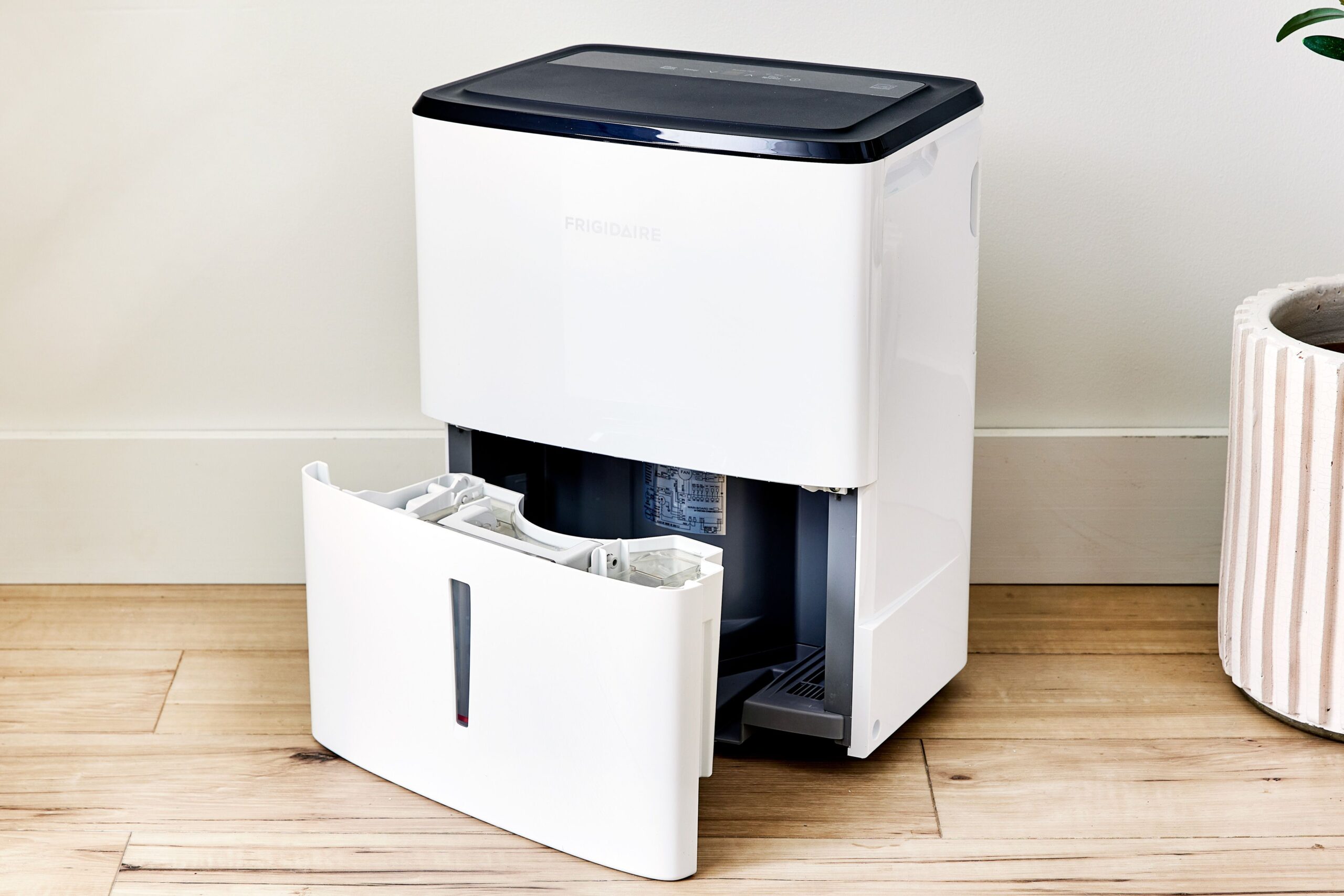

Dehumidifiers play a key role in maintaining comfortable, healthy indoor air. But many users wonder if these units contain Freon and what that means for safety and the environment. Here’s what you need to know about dehumidifiers, refrigerants, and how these systems work today.
Do Dehumidifiers Contain Freon?
What is Freon?
Freon is a brand name for a group of chemicals—chlorofluorocarbons (CFCs) and hydrochlorofluorocarbons (HCFCs)—commonly used as refrigerants. These chemicals absorb heat from air inside your dehumidifier. As the refrigerant cycles between liquid and gas, it cools the air and removes moisture, which collects as water.
Common types of Freon used in dehumidifiers:
- R-12 – Found in older appliances
- R-22 – The most common Freon type in dehumidifiers
- R-502 – Used in some refrigeration systems
If your dehumidifier was manufactured before 2010, it likely contains R-22 or a similar Freon refrigerant. Check your owner’s manual to know exactly what your unit contains.
Why Freon Is Phased Out
CFCs and HCFCs, including Freon, are known to cause ozone layer depletion. This layer protects us from harmful UV rays. Because of these environmental risks, the U.S. banned Freon in new dehumidifiers and air conditioners after January 2010, with R-22 being fully phased out by the end of 2019. Now, only licensed technicians can handle Freon and other refrigerants in older units.
Freon vs. Modern Refrigerants
Today’s dehumidifiers use safer, more eco-friendly refrigerants. These alternatives don’t harm the ozone layer as much and are now standard in most new units. These refrigerants still remove moisture and cool air effectively, but with less environmental impact.
Popular modern refrigerants:
- R-410A (Puron)
- R-32
- HFCs (Hydrofluorocarbons)
How Dehumidifiers Work With and Without Refrigerants
Dehumidifiers use two main methods: refrigerant-based systems that cool air to condense water, and desiccant systems that absorb moisture directly.
Key Parts of a Refrigerant Dehumidifier
Refrigerant dehumidifiers contain a compressor, cooling coils (evaporator), condenser coils, a fan, and an expansion valve. The compressor pressurizes the refrigerant, which circulates through the coils. As humid air passes over the cold evaporator coils, moisture condenses and drips into a bucket or drain. The now-dry air is reheated and released back into your room.
Desiccant dehumidifiers use materials like silica gel to absorb water vapor directly from the air. These units do not require a compressor or refrigerant, making them simpler and quieter.
How Refrigerant Dehumidifiers Remove Moisture
Your compressor dehumidifier works like a small air conditioner. The refrigerant absorbs heat from the air, causing moisture to condense on the cold coils. Water collects in a bucket or exits via a drain hose, while the dry air is returned to your space. Most new units use R-410A refrigerant, which is safer for the environment than older Freon types like R-22.
How Desiccant Dehumidifiers Remove Moisture
Desiccant dehumidifiers use a rotating wheel or chamber filled with absorbent material. As air passes through, water vapor is trapped. The desiccant material is periodically dried by heating, releasing the collected moisture through a vent or drain. These units are effective in cold environments where refrigerant systems may struggle.
Types of Dehumidifiers and Their Refrigerants
Residential Dehumidifiers
Compressor (Refrigerant-Based) Dehumidifiers: Compressor dehumidifiers are the most common residential choice and contain refrigerant to remove moisture. Modern units use HFCs or hydrocarbons, not Freon. The refrigerant remains sealed inside, minimizing leak risks. These work best in warm, humid conditions and are efficient for typical household needs.
Desiccant Dehumidifiers: Desiccant dehumidifiers contain no refrigerant and use absorbent materials to pull moisture from air. They’re ideal for cold spaces like basements and garages, operate quietly, and work effectively at lower temperatures. However, they may use more energy in warm conditions than compressor models.
Whole-House Dehumidifiers: These systems connect to your HVAC system and contain refrigerant-filled coils to treat air throughout your home. They’re best for large spaces or very humid climates and require professional installation.
Commercial & Industrial Dehumidifiers
Commercial Compressor Systems: Large-capacity units for warehouses, offices, and manufacturing facilities. These high-durability systems contain modern refrigerants (HFC-134a, HFO, or hydrocarbons) and operate continuously under demanding conditions.
Rotary & Solid Desiccant Systems: Industrial-scale desiccant dehumidifiers use rotating wheels or absorbent materials and contain no refrigerant. They’re ideal for pharmaceutical, electronics, and food production facilities requiring very low humidity levels and continuous operation.
Liquid Desiccant Systems: These refrigerant-free systems use hygroscopic solutions for moisture absorption. They’re common in data centers, hospitals, and clean rooms, often with heat recovery integration for energy efficiency.
Why Choose Deye for Your Dehumidifier Needs?
At Deye, we’ve been engineering reliable climate and energy solutions since 2000 — from residential and industrial dehumidifiers to solar inverters and energy storage systems. Our products meet today’s eco-friendly refrigerant standards, so you can breathe easy at home and outdoors. Contact us today and let our team help you find the perfect solution!
Frequently Asked Questions
Do dehumidifiers run out of refrigerant?
No. Refrigerant runs in a sealed loop and is never consumed during normal operation. If your unit is underperforming, it’s almost always due to a leak or mechanical fault — not depletion. A healthy dehumidifier should never need a refrigerant refill.
Is it bad to sleep with a dehumidifier every night?
Generally, no. It can actually improve sleep by reducing musty odors, allergens, and excess humidity. However, running it too long can over-dry the air, causing dry skin, irritated sinuses, or a scratchy throat. Keeping humidity between 40–50% is the ideal range for comfortable, healthy sleep.