
When you evaluate energy solutions for a home, business, or utility-scale project, the phrase front of the meter vs behind the meter becomes an important dividing line. The distinction affects who uses the electricity, who owns the system, how costs are recovered, and what role storage or solar plays in the bigger energy picture.
What the meter line means
The meter is the point where electricity use is measured between the utility and the customer. Anything on the customer side of that meter is considered behind the meter, while anything on the grid side is front of the meter.
Behind the meter
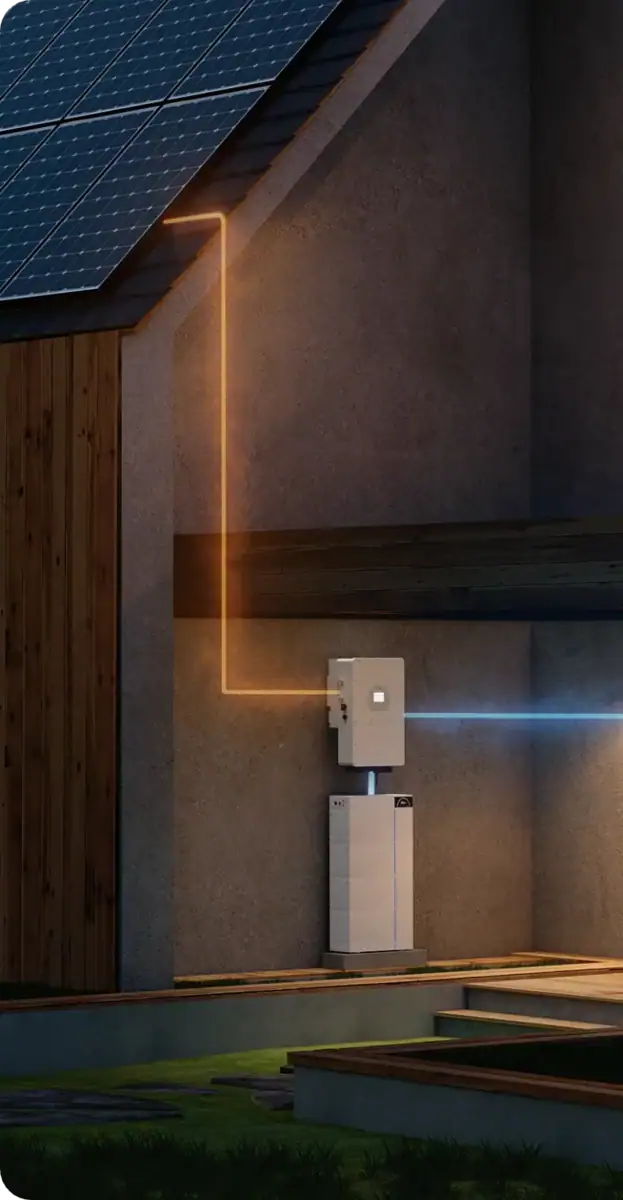
Behind-the-meter systems are installed at a home, business, factory, or other customer site. They are usually designed to reduce electricity bills, improve resilience, and let you use power you generate on-site instead of buying everything from the grid.
Front of the meter
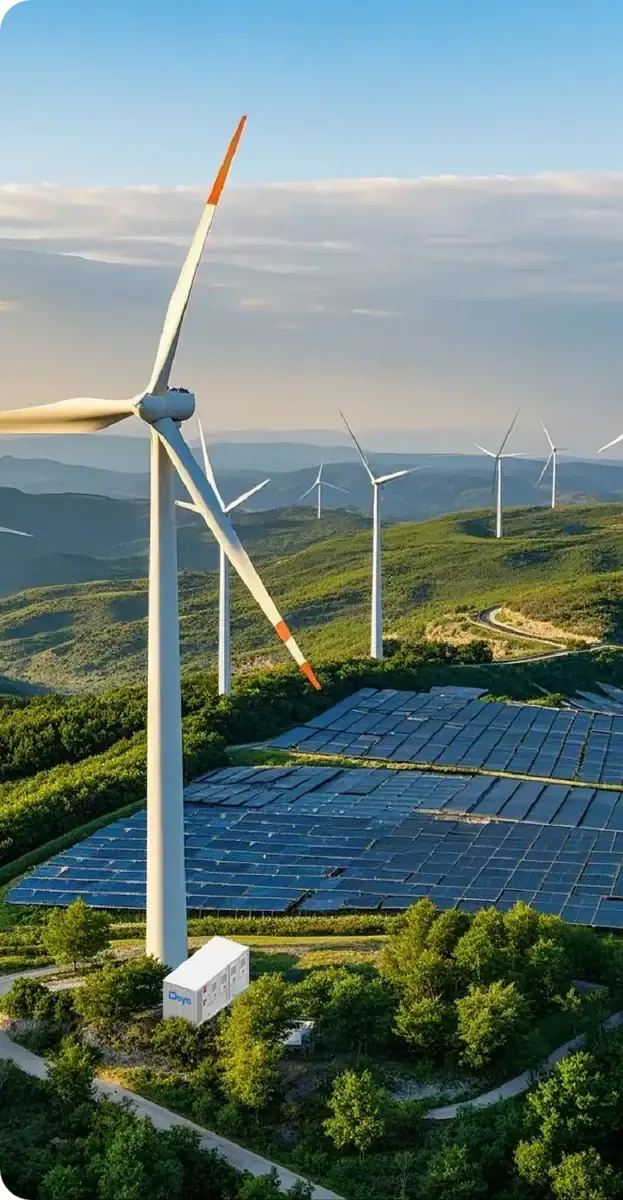
Front-of-the-meter systems sit on the utility side of the meter. These are typically larger assets connected to the grid, such as utility-scale solar farms, grid batteries, and transmission-level equipment.

Why the difference matters
This distinction is more than technical language. It changes how energy is bought, sold, stored, and managed, and it influences the economics of the entire project.
Ownership and control
With behind-the-meter systems, you usually have more control over how the energy is used. You can decide when to store power, when to consume it, and when to rely on the grid.
Front-of-the-meter systems are usually controlled by utilities, independent power producers, or grid operators. Their job is to support the broader grid, not a single building or facility.
Cost and revenue models
Behind-the-meter projects often focus on bill savings, peak shaving, demand charge reduction, and backup power. In other words, the financial benefit shows up on your utility bill or through improved reliability.
Front-of-the-meter projects are built around wholesale energy markets, grid services, and large-scale power delivery. They may generate revenue by selling electricity into the grid or helping balance supply and demand.
How each system works
Both models can use solar, battery storage, and other clean energy technologies, but they do so for different purposes. The size, design, and operating strategy of the system usually reflect who the end user is and what problem the system is meant to solve.
Behind-the-meter use cases
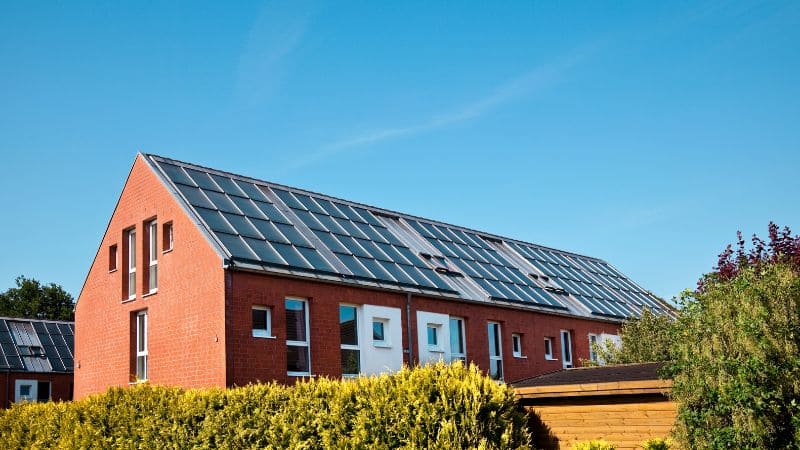
Behind-the-meter systems are common in homes, commercial buildings, warehouses, schools, and factories. If you install rooftop solar with a battery, for example, you are usually creating a behind-the-meter energy system.
These systems help you use more of your own power, lower grid dependence, and keep critical loads running during outages. They are especially valuable when electricity prices vary throughout the day or when reliability matters.
Front-of-the-meter use cases
Front-of-the-meter systems are usually much larger and are designed for grid support. Utility-scale solar farms, large battery plants, and transmission-connected assets all fit this category.
These projects help stabilize the grid, shift energy to periods of higher demand, and support renewable integration. They are often built near generation sites or in strategic grid locations where they can have the greatest impact.
Choosing the right model
If you are comparing front of the meter vs behind the meter for a project, the right choice depends on your goals. The best answer is not always bigger or more powerful; it is usually the model that fits your energy strategy.
When behind the meter makes sense
Behind-the-meter is often the better option if you want lower bills, stronger backup power, or more control over your own energy. It works well when you need to support a building, a campus, or a facility with predictable local demand.
It is also a practical choice if you want to pair solar with battery storage for self-consumption. For many businesses, that combination provides both economic and operational value.
When front of the meter makes sense
Front-of-the-meter makes more sense when the goal is to serve the grid or participate in large-scale power markets. If you are developing utility-scale generation or storage, this model is usually the right fit.
It is also useful when you need to solve broader grid issues such as congestion, peak demand, or renewable intermittency. In that case, the system is not serving one customer; it is serving many.
About Deye Energy Storage Solutions
Deye provides advanced energy storage and smart energy solutions designed to support both front-of-the-meter and behind-the-meter applications. With a focus on reliability, efficiency, and innovation, we help businesses and homeowners optimize energy use, reduce costs, and strengthen energy independence. Visit Deye or contact us today to explore the right solution for your needs.
Frequently Asked Questions
What does behind the meter mean?
Behind the meter means the system is on the customer side of the utility meter. It usually serves a home or business directly.
What does front of the meter mean?
Front of the meter means the system is on the grid side of the meter. It usually serves the broader electric grid rather than one building.
Can battery storage be used in both models?
Yes. Battery storage can be deployed behind the meter for savings and backup power, or front of the meter for grid support and wholesale market participation.
Which is better for solar?
Neither is automatically better. Behind-the-meter solar is better for self-use and bill savings, while front-of-the-meter solar is better for large-scale energy generation and grid services.
Is behind-the-meter only for homes?
No. It is used in homes, businesses, industrial facilities, and other customer-side sites. The key factor is location relative to the meter, not building type.
Understanding front of the meter vs behind the meter helps you choose the right energy strategy for your goals. If you want control, savings, and resilience at your site, behind-the-meter is usually the better fit; if you want to support the grid at scale, front-of-the-meter is the stronger model.