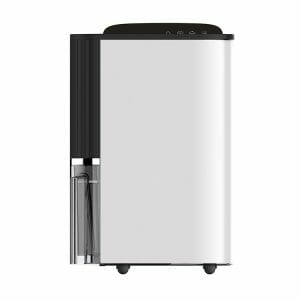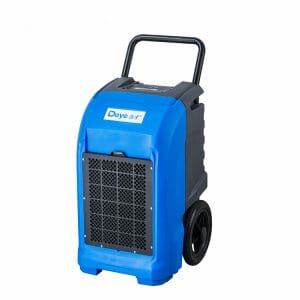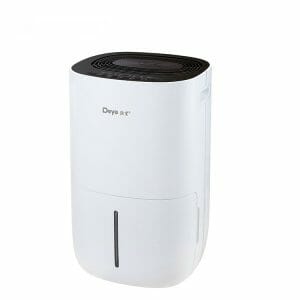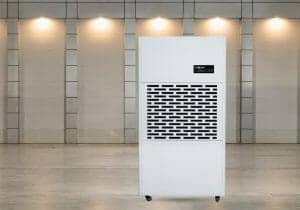

Have you ever pulled the water tank out of your dehumidifier and marveled at the sheer volume of water inside? It is easy to look at a full bucket and wonder: Where exactly did all this water come from, and is it normal for the machine to collect this much?
A dehumidifier is a powerful modern appliance designed to vastly improve the indoor air quality of your environment. By actively absorbing excess water vapor from the air, it maintains optimal relative humidity (RH) levels in your space. This reduction in ambient moisture provides a significantly more comfortable living environment while offering robust protection against dust mites, mildew, and rampant mold growth.
Many residential and commercial buildings suffer from chronic humidity problems, particularly in areas with poor architectural ventilation. Because the humidity level is defined by the invisible amount of water vapor suspended in the air, a high-quality dehumidifier is an absolute necessity for protecting your property and health.
In this comprehensive guide, we will answer the most common questions users have about dehumidifiers, including exactly how much water they should collect, the mechanics behind the process, and what to do if your device suddenly stops extracting moisture.
How Much Water Should a Dehumidifier Collect in a Day?
The amount of water a dehumidifier can collect in a single day is entirely relative to your environment. Typically, a standard residential dehumidifier will collect anywhere between 10 pints to 100 pints of water per day.
However, it is vital to understand that a “50-pint dehumidifier” will not automatically collect exactly 50 pints every single day. The machine’s rated capacity simply indicates its maximum extraction limit under extremely damp testing conditions.
Several crucial factors dictate exactly how much water your unit will extract on any given day:
- Room Temperature: Warmer air holds significantly more moisture than cold air, leading to higher collection rates in heated rooms.
- Relative Humidity (RH) Levels: The higher the starting humidity, the more water the unit will initially extract.
- Machine Power and Capacity: A heavy-duty commercial unit will naturally extract more moisture than a compact bedroom model.
- Fan Speed: Higher fan speeds pull more air across the internal coils, increasing the rate of condensation.
- Room Size: A larger room contains a higher total volume of suspended water vapor.
Table 1: Estimated Daily Water Collection by Room Condition
|
Room Condition
|
Average RH Level
|
Expected Daily Collection (Standard Room)
|
Best Dehumidifier Capacity
|
|---|---|---|---|
|
Slightly Damp
|
50% – 60%
|
10 – 20 Pints
|
20 – 30 Pint Model
|
|
Moderately Damp (Musty odor)
|
60% – 70%
|
20 – 35 Pints
|
30 – 50 Pint Model
|
|
Very Damp (Visible condensation)
|
70% – 80%
|
35 – 50 Pints
|
50 – 70 Pint Model
|
|
Extremely Wet (Post-flood/Leak)
|
80% – 100%
|
50+ Pints
|
70+ Pint / Commercial
|
Note: Electric dehumidifiers will always collect water as long as the ambient RH is higher than the target setting. You will need to manually empty the internal water collection tank or attach a continuous drain hose for hands-free operation.
How Does a Dehumidifier Collect Water?
Despite their highly effective results, dehumidifiers operate on surprisingly simple scientific principles. Many users expect the technicalities to be confusing, but the mechanism is actually quite straightforward.
When you turn on your device, an internal fan draws the humid room air into the machine. This warm, moist air is then forced over a set of evaporator coils that are kept at extremely low temperatures by a built-in refrigeration system.
Think of a glass of ice water sitting on a table on a hot summer day. Just as water beads up on the outside of that cold glass, the water vapor in the drawn air undergoes condensation when it hits the freezing coils. The vapor transforms back into liquid water, which safely drips down into the water tank below. Finally, the newly dried air is slightly reheated and blown back out into your room.
How Long Does It Take to Start Collecting Water?
On average, a dehumidifier begins to collect water almost immediately after it is switched on. If you listen closely, you can often hear the first few drops hitting the plastic tank within just ten to fifteen minutes.
The time it takes to completely fill the collection tank varies. For a standard machine with a 2-liter tank, it usually takes anywhere between 6 to 8 hours to fill up during continuous operation. However, during the first few days of operating a new dehumidifier in a damp room, the tank will fill up much faster as the machine works overtime to pull deeply embedded moisture out of your furniture, carpets, and drywall.
Why is My Dehumidifier Running but Not Collecting Water?
It can be frustrating to hear your dehumidifier’s fan running while the water tank remains completely bone-dry. If your unit has stopped collecting water, one of the following issues is likely the culprit:
- Target Humidity Reached: Most modern units feature a built-in humidistat. If you set your target humidity to 50%, and the room reaches that level, the compressor will turn off to save energy. The fan may continue to run to circulate air, but no water will be collected until the humidity rises again.
- Low Room Temperature: Standard refrigerant dehumidifiers struggle in cold environments. If the ambient temperature drops below 65°F (18°C), the extracted moisture can freeze solidly onto the internal coils. This halts water collection entirely. Fortunately, premium units feature an auto-defrost function to melt this ice safely.
- Faulty Fan Motor: If the fan motor fails, the unit cannot draw humid air across the chilled coils, bringing the entire condensation process to a halt.
- Hardware Failure: A failed capacitor, a leaked refrigerant line, or an overload protection issue will prevent the compressor from chilling the coils. In this case, the machine requires professional servicing.
Choosing the Right Technology: Refrigerant vs. Desiccant
Not all dehumidifiers use the same technology to clear the air. Depending on your climate and specific needs, you must choose between three distinct categories of moisture control.
Table 2: Comparing Dehumidifier Technologies
|
Feature
|
Refrigerant Dehumidifiers
|
Desiccant Dehumidifiers
|
Non-Electric (Moisture Absorbers)
|
|---|---|---|---|
|
How it Works
|
Uses cold coils to condense water.
|
Uses a chemical wheel to absorb water.
|
Uses calcium chloride crystals.
|
|
Ideal Temperature
|
Best for warm rooms (Above 65°F/18°C).
|
Great for cold, unheated rooms (Below 60°F).
|
Any temperature.
|
|
Running Cost
|
Lowest running cost per liter extracted.
|
Slightly higher electricity usage (uses a heater).
|
High cost over time (requires constant refills).
|
|
Best Application
|
General home use, drying laundry, basements.
|
Garages, RVs, cold winter storage spaces.
|
Small closets, cabinets, safes.
|
Refrigerant Dehumidifiers are the most common choice for heated homes. They are highly efficient at room temperatures above 15°C and boast the lowest running cost per liter of water extracted. Higher-end models feature hot-gas defrost systems, which further optimize their cold-weather efficiency.
Desiccant Dehumidifiers function entirely without a refrigeration cycle. Instead, they use a rotating wheel of water-absorbing material. They are incredibly lightweight, much quieter, and operate flawlessly in freezing, unheated rooms.
Non-Electric Dehumidifiers use disposable calcium chloride crystals to passively absorb moisture from the air. While they require zero electricity, their running cost is ultimately high due to the constant need for chemical refills, making them suitable only for tiny, enclosed spaces like closets.
Create a Healthier Environment Today
Maintaining optimal indoor air quality shouldn’t be a constant struggle. By understanding how your dehumidifier works and what to expect from its daily water collection, you can easily protect your home from the damaging effects of excess moisture.
At Deye, we engineer high-quality dehumidifiers that are universally recognized for their outstanding efficiency, massive collection capacities, and long-lasting durability. Whether you need a whisper-quiet residential unit for your living room or a heavy-duty commercial powerhouse to protect your business inventory, we have the perfect technological solution to meet your exact needs.
Ready to experience the comfort of perfectly balanced air?
Do not let dampness damage your property for another day. Contact us on our website to place an order or consult with our experts. One of our dedicated representatives will be delighted to help you find the perfect Deye dehumidifier for your space.
Frequently Asked Questions (FAQ)
Why is my dehumidifier filling up so quickly?
If your tank is filling up rapidly, it simply means there is a massive amount of excess moisture in your air. This is incredibly common during the first week of using a new unit, during heavy rainstorms, or if you are drying laundry indoors. A digital hygrometer can help you keep track of your home’s exact humidity levels to monitor this progress.
When does a dehumidifier naturally stop collecting water?
A core function of a dehumidifier is to bring the humidity level under strict control, not to remove 100% of the moisture from the air (which would be unhealthy). When the room reaches your programmed target—usually around 45% to 50% RH—the humidistat will signal the compressor to pause, temporarily stopping water collection.
Can a dehumidifier help with a wet carpet?
Yes, absolutely. A dehumidifier is incredibly effective at pulling evaporated moisture out of damp materials. If you have experienced a spill or a minor flood, placing a dehumidifier near the wet carpet will vastly accelerate the drying process while actively preventing foul odors, mold, and mildew from taking root in the fibers.
Do I need to empty the tank if I use a drain hose?
No. If your dehumidifier is equipped with a continuous drainage port, you can attach a standard garden hose and route the water directly into a floor drain or sink. Gravity will pull the water out, meaning you will never have to manually empty the collection tank again.