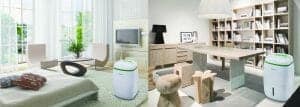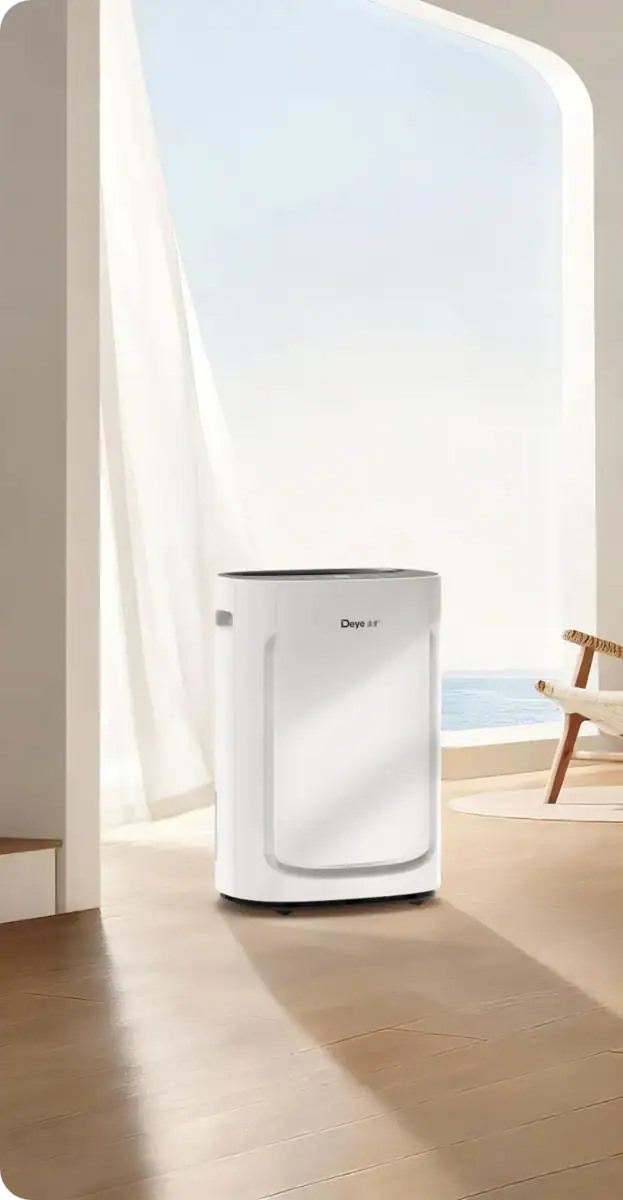

Have you ever stepped into your home on a sweltering summer day, only to feel like you are walking through a heavy, damp swamp? That oppressive, sticky sensation is the direct result of excess moisture trapping heat in your indoor environment. While your first instinct might be to blast the air conditioning, a dehumidifier may actually be the secret weapon you need to chill your living space. By actively pulling excess moisture from the air, this simple yet remarkably efficient appliance gives your existing HVAC system an incredible boost of comfort. The excess water collected during this process safely accumulates in an internal tank, which can also be continuously removed through a connected drain pipe for low-maintenance operation.
How Do Dehumidifiers Work?
Let’s pull back the curtain on the mechanics of indoor air quality control. Dehumidifiers successfully eliminate excess atmospheric moisture by employing a precise cycle involving a fan and a set of temperature-controlled coils. First, a powerful internal fan sucks the ambient, humid air from your room into the machine. As this air moves through the unit, it simultaneously collides with cool and warm coils.
When the warm, humid air hits the refrigerated coils (the evaporator), a thermal reaction occurs, causing the invisible water vapor in the air to rapidly condense into liquid water droplets. This collected water drips safely into a storage bucket or out through a drainage hose. Finally, the now-dry air passes over a warm coil to reheat it slightly before being fanned back into your living space, leaving the room feeling vastly fresher.
How to Cool a Room with a Dehumidifier
Summer heat can create a multitude of problems, disrupting your daily productivity and ruining a good night’s sleep. Rather than trying to beat the heat by running a standard ceiling fan frequently—which merely pushes hot, wet air around—you can strategically deploy a home dehumidifier. These devices fundamentally dry out the atmosphere in your immediate area, significantly reducing the level of sticky moisture and thereby making the space significantly more comfortable. Although a dehumidifier’s primary function is moisture elimination rather than refrigeration, it is an invaluable tool in notoriously hot weather regions.
It is vital to remember that a dehumidifier does not reduce the actual ambient temperature directly. Instead, it alters the heat index, providing a delightfully cool and comfortable environment completely devoid of that stifling, musty smell. So, how exactly does a dehumidifier work to keep a room feeling cool? The answer lies in the human body’s natural physiological cooling mechanism: sweat evaporation.
When the humidity level in the air is excessively high, the saturated atmosphere can no longer hold any additional moisture. Consequently, when the atmosphere is heated, the sweat on your skin refuses to evaporate quickly and instead settles on your body. You will inevitably start to feel clammy over time, trapped in a sticky layer of heat. By stripping the air of this excess water, a dehumidifier allows your sweat to evaporate rapidly, initiating a powerful, natural cooling effect on your skin. Dry air simply feels inherently cooler and vastly more relaxing than damp air.
Comparing Air Quality Solutions
To better understand how a dehumidifier fits into your home cooling strategy, it helps to compare it to a standard air conditioning unit.
|
Feature
|
Dehumidifier
|
Air Conditioner
|
|---|---|---|
|
Primary Function
|
Removes excess moisture from the air
|
Lowers ambient room temperature
|
|
Cooling Method
|
Evaporative (helps skin cool itself)
|
Refrigeration (blows cold air)
|
|
Energy Consumption
|
Generally lower
|
Generally higher
|
|
Best Used For
|
Damp basements, muggy climates, mild heat
|
Extreme heat, peak summer days
|
|
Moisture Handling
|
Collects in a tank or drains via hose
|
Drips outside via condensate line
|
8 Game-Changing Benefits of Using a Dehumidifier
1. Aids in the Treatment of Allergies
Many common allergens and asthma triggers—such as dust mites, mold spores, and mildew—absolutely thrive in humid settings. Bathrooms, laundry rooms, and basements are especially prone to harboring these allergy-causing compounds, which can easily spread throughout a property due to poor air circulation. A dehumidifier actively helps reduce the lingering moisture that promotes allergen growth. By starving these triggers of the dampness they need to survive, you drastically improve your overall air quality and help prevent the spread of some germs and viruses.
2. Reduces Unwanted Pest Problems
Microscopic allergens aren’t the only unpleasant guests who enjoy heavily moist environments. Destructive pests, including spiders, centipedes, and roaches, inherently prefer damp conditions to nest and breed. If you pay special attention to the areas of your home with the most pest activity, you will often find water or a high humidity level is the root cause. By drying out these spaces, you naturally deter these pests, making your home a much less inviting environment for unwanted insects.
3. Controls Destructive Moisture Levels
Lingering condensation can quickly allow toxic mold to grow and thrive in a seemingly clean environment. Furthermore, sustained high moisture levels in your living space can cause severe, long-term damage to your building’s physical structure. Mold growth should be aggressively avoided at all costs, as the professional remediation steps to eliminate it can be highly hazardous to your health and incredibly costly in USD.
4. Skyrockets Your Overall Comfort
Nobody likes feeling sticky, gross, and overheated, especially when they are simply trying to relax or go to sleep. In general, homes that maintain correct, balanced humidity levels are infinitely more pleasant to inhabit. When a high-quality dehumidifier is used, occupants will notice a rapid and significant reduction in mugginess. The indoor air quality is vastly enhanced, the atmosphere is kept perceptibly colder, and breathing feels noticeably lighter.
5. Saves Money on Energy Costs
One of the most practical financial benefits of a dehumidifier is that it can help you save valuable USD on your electricity bills by making your air conditioner run far more efficiently. When the air in your home is already dry, your AC unit does not have to work nearly as hard to cool the space to your desired thermostat setting. If you are trying to decide between running a dehumidifier and an air conditioner during mild weather, utilizing the dehumidifier is often the much more cost-effective choice.
6. Protects Your Home Furnishings
Excess moisture in the air can cause destructive mildew to grow directly on your expensive furniture, curtains, and upholstery. Over time, these items might develop a distinctive, highly unpleasant “musty” odor and even feel somewhat wet to the touch. This costly damage can be entirely avoided with the consistent use of a dehumidifier. However, remember to monitor your settings if you possess antique wooden furniture; woodwork can occasionally bend or shatter if the indoor air is kept too dry.
7. Dries Garments and Laundry Quickly
Another highly practical, yet unexpected benefit of dehumidifiers is their ability to help you dry your freshly washed clothes. If you live in an apartment without a dryer, prefer to air-dry delicate fabrics, or have items that require hand-washing, a dehumidifier can be an absolute lifesaver. Placing the unit near your drying rack accelerates the natural drying process by aggressively removing the evaporating water from the ambient air and your garments simultaneously.
8. Keeps Structural Condensation to a Minimum
Did you know that everyday condensation might actually be dangerous to your home’s foundational structure? If excess moisture in your home is repeatedly trapped inside the walls, it can lead to the silent rotting and degradation of your property over time. If you frequently find condensation, fog, or water droplets accumulating on the inside of your glass windows, this is a massive red flag indicating that your home is dangerously humid.
Recommended Indoor Moisture Guidelines
Maintaining the perfect balance is key to reaping these benefits without drying out your home excessively.
|
Living Space
|
Ideal Humidity Level
|
Primary Reason
|
|---|---|---|
|
Living Room / Bedrooms
|
30% – 50%
|
Optimal for human comfort and sleep quality.
|
|
Basement
|
40% – 50%
|
Prevents mold, mildew, and structural rot.
|
|
Bathroom
|
Under 50% (post-shower)
|
Deters mildew growth on tiles and grout.
|
|
Wine Cellar / Storage
|
50% – 60%
|
Protects corks and stored organic materials.
|
Frequently Asked Questions (FAQ)
Do I really need a dehumidifier if I already have an air conditioner?
Yes, in many cases. While an AC unit naturally removes some moisture during its cooling cycle, it is not optimized for heavy humidity removal. On mild but incredibly sticky days, running a dehumidifier is much cheaper and more effective at restoring comfort without over-chilling the room.
What size dehumidifier do I need for my home?
Dehumidifier sizing is based on the square footage of the room and the severity of the dampness. A small 20-30 pint model is excellent for single bedrooms or bathrooms. However, for a large, wet basement or an open-concept living space, you will likely require a high-capacity 50-pint model to efficiently clear the air.
Where is the best place to position my dehumidifier?
For maximum efficiency, you should place your unit in a centralized location with at least six to twelve inches of clearance on all sides to guarantee proper airflow. Avoid shoving it directly against a wall or hiding it behind heavy furniture, as this will block the unit’s intake and exhaust fans.
How often do I need to empty the water tank?
This depends entirely on the humidity levels in your home and the size of the unit’s bucket. In a very damp basement, you may need to empty it once every 24 hours. To completely eliminate this chore, look for models that feature a continuous gravity drainage port or a built-in pump that automatically pushes the water out a window or into a sink.
Conclusion: Breathe Easier and Live Better
Investing in proper humidity control is one of the smartest decisions you can make for your property and your physical well-being. Our commercial and residential dehumidifiers are a safe, straightforward, and highly effective solution to completely eliminate your house’s excess moisture, dampness, and lingering odors. No matter where you reside, you can rapidly improve your air quality, aggressively lessen your allergy symptoms, safeguard your valuable electronics, and halt mold growth in its tracks.
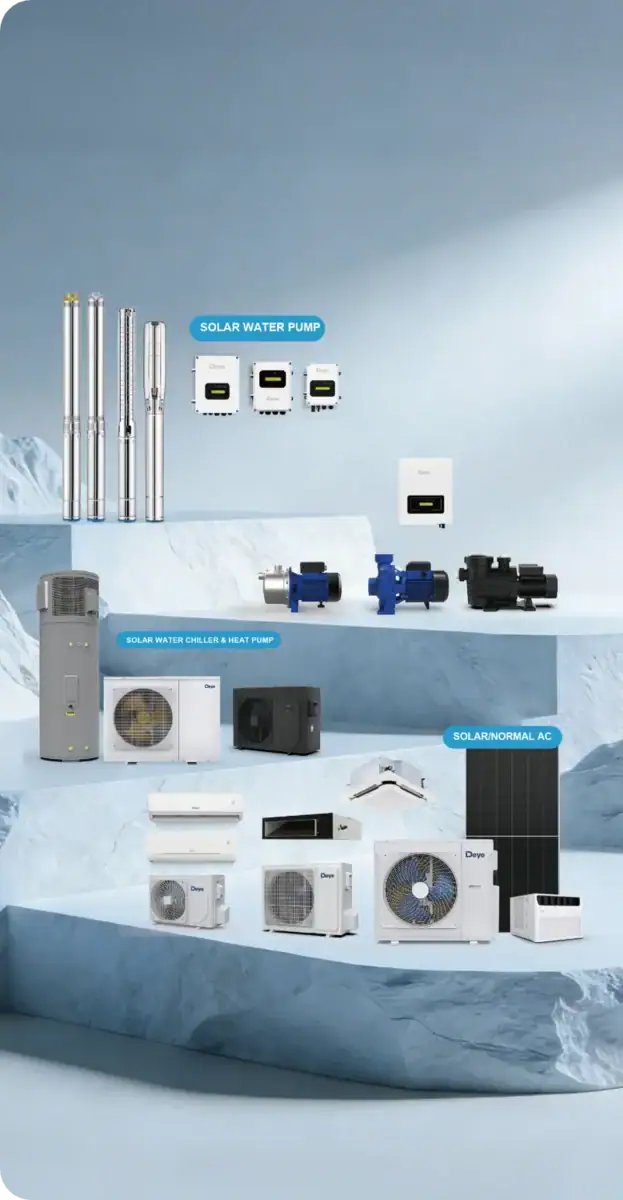
If you are looking for top-tier moisture control, Deye is a premier wholesale manufacturer of various high-quality dehumidifiers. You can easily find models in our catalog that are incredibly lightweight and highly portable, meaning you can move them effortlessly from one room to another as your needs change. Furthermore, we happily customize bulk orders according to your specific business preferences or residential needs. We take pride in offering lightning-fast, reliable worldwide shipping to all of our dedicated customers. Please fill out our online contact form today to get in touch with our team and secure your ultimate cooling solution!