
Investing in solar panels is a massive step toward energy independence, but the panels are only half the story. The true brain behind your system is the solar inverter—the crucial device that transforms raw solar energy into electricity your home can actually use.
When designing your solar setup, you will quickly encounter two main options: a normal solar inverter (grid-tied) and a hybrid solar inverter.
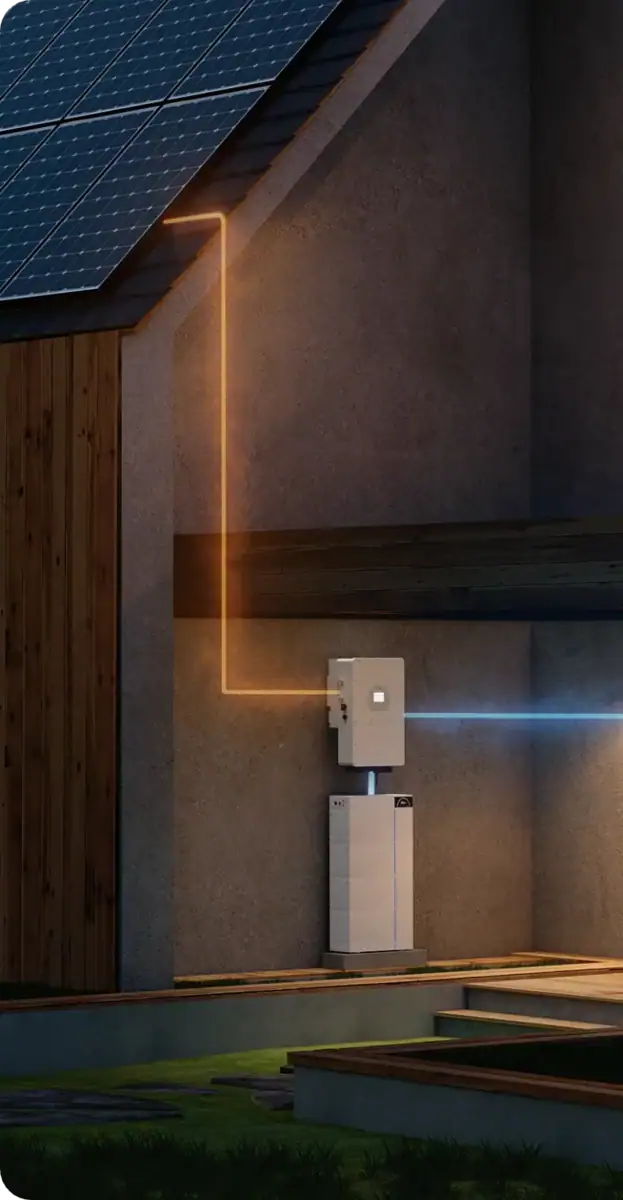
While a normal inverter primarily sends solar power directly to your home or back to the utility grid, a hybrid model does much more. It actively manages battery storage, allowing you to use solar energy at night or keep your lights on during a grid blackout.
But is the advanced technology of a hybrid system worth the extra investment, or is a standard inverter exactly what you need? Let’s break down the core differences to help you make the smartest choice for your home.

Direct Comparison: Hybrid vs. Normal Inverters
Understanding the technical differences between these two systems is the first step in planning your solar journey. The main distinctions come down to energy storage, power management, and how the system behaves during a grid outage.
Table 1: Feature-by-Feature Comparison
| Feature | Normal Inverter | Hybrid Inverter |
| Native Battery Support | No | Yes (Integrated Battery Management & Charging) |
| Backup Power (Outage) | Shuts down (due to Anti-islanding) | Can provide (from battery & ongoing solar) |
| Energy Management | Basic (Solar to Load/Grid) | Advanced (Manages Solar, Battery, Grid flow) |
| Power Source Handling | Primarily Solar DC to AC | Solar, Battery, and Grid (bidirectional) |
| Initial System Cost | Lower | Higher (especially when batteries are included) |
| Overall System Complexity | Lower | Higher (but offers an integrated solution) |
| Suitability for Off-Grid | No | Yes (with batteries and proper setup) |
| Peak Shaving Capability | No | Yes (with battery storage) |
What Is a Normal Solar Inverter?
A standard solar inverter—often referred to as a grid-tied inverter—is the traditional choice for residential solar setups. Its core purpose is straightforward: it converts the Direct Current (DC) electricity generated by your solar panels into Alternating Current (AC).
This AC power matches the exact voltage and frequency of your home’s electrical supply, ensuring safe and stable power for all your household appliances.
How It Works & Key Features
Normal inverters provide a direct power conversion. Once the energy is converted to AC, it powers your home. If your panels produce more energy than you need, the surplus is exported back to the utility grid, often earning you credits through net metering.
However, grid-tied inverters come with a critical safety feature called anti-islanding protection. If the utility grid goes down during a storm or blackout, the inverter will automatically shut off. This prevents your solar system from sending live electricity into damaged power lines, protecting utility workers. Because of this, a normal inverter cannot provide power during a blackout.
Best For: Homeowners whose primary goal is to lower their electricity bills through direct daytime solar use and grid export, without the added cost of batteries.
What Is a Hybrid Solar Inverter?

A hybrid inverter (or multi-mode inverter) is an advanced, all-in-one hub. It combines the functionality of a standard solar inverter with a battery inverter, creating an intelligent energy management system.
How It Works & Key Advantages
Hybrid inverters intelligently route electricity between your solar panels, your battery bank, and the utility grid. Here is how they typically operate:
- Prioritize Self-Consumption: Solar power is first used to run your home’s appliances.
- Battery Charging: If your panels generate excess energy, the inverter redirects it to charge your home batteries rather than sending it to the grid.
- Grid Export: Once the batteries are completely full, any remaining solar power is exported to the grid.
- Outage Protection: When the sun goes down, or if the grid fails, the hybrid inverter automatically draws stored power from the batteries to keep your essential circuits running.
Because modern hybrid inverters constantly monitor energy generation, consumption, and grid stability, they seamlessly transition between power sources. They also allow for peak shaving—using stored battery power during expensive peak grid-rate hours to save you money.
Best For: Homeowners who experience frequent power outages, want maximum energy independence, or live in areas with high time-of-use (TOU) electricity rates.
Which Inverter is Best Suitable for Your Needs?

Choosing between the two ultimately comes down to your budget, local grid reliability, and long-term energy goals.
Table 2: Decision Matrix
|
Your Primary Goal
|
Recommended Solution
|
Why It Makes Sense
|
|---|---|---|
|
Lowest Upfront Cost
|
Normal Inverter
|
Cheaper equipment; no expensive batteries required.
|
|
Max ROI via Net Metering
|
Normal Inverter
|
Ideal for areas with stable grids and great solar buyback rates.
|
|
Blackout Protection
|
Hybrid Inverter
|
Automatically switches to battery backup during outages.
|
|
Total Energy Independence
|
Hybrid Inverter
|
Stores excess daytime solar for nighttime use.
|
|
Future-Proofing
|
Hybrid Inverter
|
“Battery-ready” models let you add storage later.
|
Making the Right Choice with Deye Inverters

Whether you want a simple, cost-effective setup or a robust, off-grid-capable system, Deye offers industry-leading technology to fit your specific situation.
For Direct Solar Savings (Normal Inverters)
If your grid is reliable and your goal is to slash daytime electricity bills, Deye’s normal grid-tied inverters are highly efficient and cost-effective.
- Residential Models: The SUN-(1-4)K-G04P1-EU-AM1 is perfect for single-phase homes, while the SUN-10/12/15K-G05-LV easily handles larger household demands.
- Commercial Models: For massive energy needs, robust units like the SUN-120/125/130/135/136K-G01P3-EU-AM8 or the SUN-M130/160/180/200/220G4-EU-Q0 deliver unparalleled commercial performance.
For Energy Independence & Backup (Hybrid Inverters)
If you want to store your energy for nighttime use and protect your family from blackouts, a Deye hybrid system is the ultimate solution.
- The SUN-12/14/16K-SG01LP1-EU Series: This hybrid powerhouse works seamlessly with batteries, integrates with backup generators, and features smart battery management via a user-friendly touch screen.
- Battery-Ready Flexibility: Many Deye hybrid models are designed to be “battery-ready,” meaning you can install the inverter with your solar panels today and easily add a battery bank next year.
Deye inverters are globally recognized for their high conversion efficiency, rugged weatherproofing (IP65 ratings), and advanced safety protections.
Take the Next Step Toward Energy Freedom
Ready to build a smart, reliable, and sustainable energy system?
- Explore Deye’s Range: View all advanced models on the Deye website.
- Get Expert Advice: Speak to Deye professionals to find the perfect fit for your roof.
- Request a Quote Today to start your solar journey!
Frequently Asked Questions (FAQ)
1. Can I use a normal solar inverter during a power outage? No. By law, normal grid-tied inverters feature anti-islanding protection. They must immediately shut down during an outage to prevent sending lethal electricity back into grid lines that repair crews might be working on.
2. Can I upgrade my normal inverter to a hybrid inverter later? Upgrading is possible, but it usually requires replacing your existing normal inverter with a hybrid one, or adding a secondary “battery inverter” to your existing setup (known as an AC-coupled system). If you plan to get batteries in the future, it is cheaper to buy a “battery-ready” hybrid inverter from day one.
3. Do I have to buy batteries immediately if I choose a hybrid inverter? Not necessarily. Many hybrid inverters are “battery-ready.” They can function perfectly well as a normal grid-tied inverter until you are ready to purchase and install a compatible battery system.
4. Will a hybrid inverter save me more money? It can, depending on your utility company. If your utility charges higher rates during evening peak hours (Time-of-Use rates), a hybrid inverter can save you money by automatically powering your home with stored daytime solar energy when grid electricity is most expensive.
5. How long do solar inverters last? High-quality string inverters (both normal and hybrid) typically last between 10 to 15 years. Because they work incredibly hard managing high voltage and heat every day, they usually need to be replaced once during the 25-year lifespan of your solar panels.