
Created by Deye • Viewlarger version
Key Findings: Where Mold Thrives
Local weather, geography, and architecture combine to create perfect breeding grounds for household mold.
Florida Dominates the List
Florida claims six of the top ten spots. Cities like Fort Lauderdale, Orlando, and Tampa are mold magnets due to tropical heat, constant rain, and coastal humidity. Older coastal buildings also frequently struggle with moisture control.
The Swampy South
Louisiana and Mississippi rank high, with cities like New Orleans facing a double threat: flooding risks and swampy surroundings. Furthermore, historic homes often lack the modern ventilation needed to combat extreme humidity.
Table 1: Regional Climate Drivers for Mold
|
Region
|
Example High-Risk Cities
|
Primary Drivers
|
Architectural Vulnerabilities
|
|---|---|---|---|
|
Southeast Coast
|
Fort Lauderdale, Tampa
|
Tropical heat, heavy rainfall
|
Aging moisture barriers
|
|
Deep South
|
New Orleans, Shreveport
|
Swampy terrain, flooding
|
Historic homes lacking HVAC
|
|
Northern Belt
|
Buffalo, Detroit
|
Snowmelt, freezing temps
|
Trapped winter condensation
|
|
Pacific Northwest
|
Seattle, Portland
|
Constant drizzle, low sunlight
|
Prolonged damp periods
|
Unexpected Threats: Northern & Western Cities
Surprise entries include Buffalo, NY, and Detroit, MI. Here, tightly sealed homes trap winter moisture and condensation, proving mold isn’t just a Southern problem.
On the West Coast, the Pacific Northwest’s constant drizzle keeps cities like Seattle and Portland damp. Even California (Sacramento, Los Angeles) appears due to poorly ventilated older buildings.
Meanwhile, Hawaii faces a unique challenge: high humidity combined with salty ocean air that corrodes weatherproofing.
Defense is Your Best Offense
You can’t control the weather, but you can control your indoor climate. Smart home maintenance is the key to preventing property damage and health issues.
Table 2: Smart Home Defense Strategies
|
Action Step
|
Why It Matters
|
Frequency
|
|---|---|---|
|
Run a Smart Dehumidifier
|
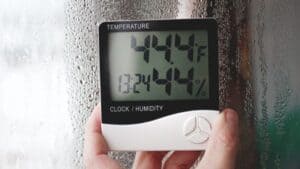
Keeps indoor humidity below 50%.
|
Daily
|
|
Improve Ventilation
|
Removes stale, damp air (kitchens/baths).
|
Daily
|
|
Routine Leak Checks
|
Stops hidden water damage early.
|
Monthly
|
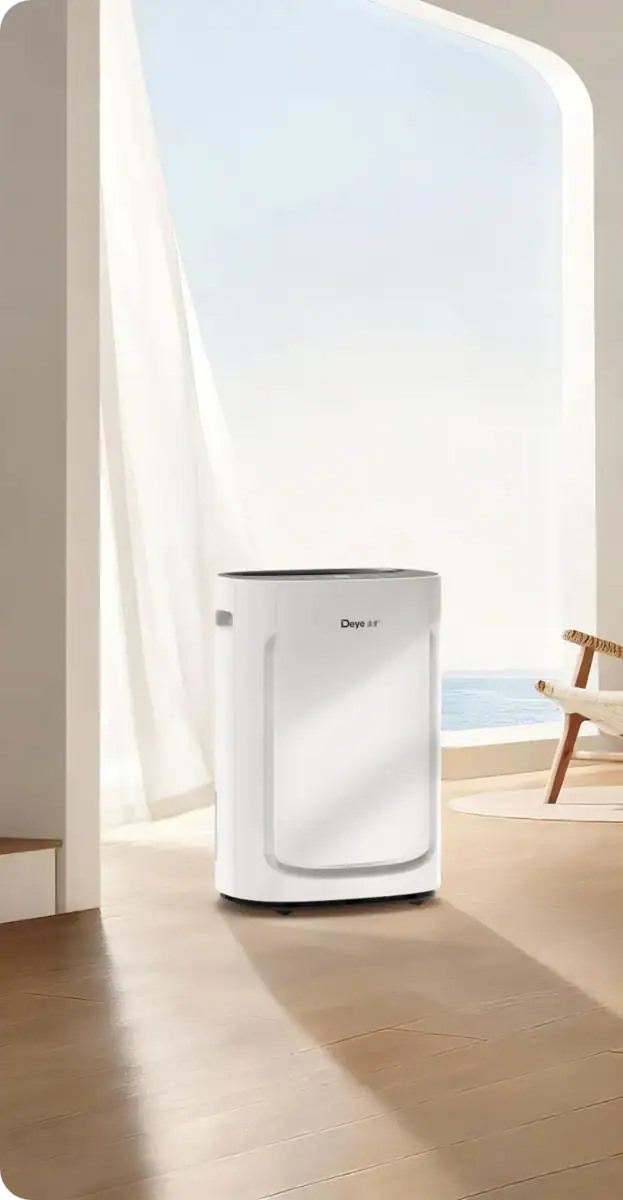
Simple investments—like proper airflow, plumbing checks, and a high-quality dehumidifier—can protect your home from mold.
Ready to control your home’s climate?
Explore Deye’s industry-leading smart energy and environmental solutions to keep your air clean and dry.
Methodology
Based on a Dec 2024 survey of 3,000 U.S. respondents. Climate data sourced via Local Climate Offices, Weather.gov, and WeatherSpark.
Frequently Asked Questions (FAQ)
What are the early signs of mold?
A persistent musty odor is usually the first sign, followed by peeling wallpaper, bubbling paint, or unexpected allergy symptoms indoors.
Why do cold-weather cities get mold?
In winter, tightly sealed homes trap warm air that condenses against freezing windows and walls, creating moisture for mold to grow.
Does a dehumidifier stop mold?
Yes. Mold struggles to grow if indoor humidity stays below 50%. A high-quality dehumidifier is highly effective in basements and high-risk areas.
Does insurance cover mold damage?
Usually only if caused by a “covered peril” (like a sudden burst pipe). Damage from long-term neglect or natural humidity is typically not covered.