

Have you ever walked into a room and felt instantly sticky, or woke up with a scratchy throat on a cold winter morning? The invisible culprit behind these uncomfortable sensations is indoor humidity. While we frequently check the thermostat to gauge our comfort, the amount of moisture in the air plays an equally crucial role in our health, the longevity of our homes, and our overall well-being.
When humidity levels swing too high or drop too low, your home can quickly become a breeding ground for allergens or a dry environment that irritates your skin and lungs. In this comprehensive guide, we will explore exactly what humidity is, how to accurately measure it, its hidden effects on your daily life, and the best climate control appliances—like dehumidifiers and humidifiers—to help you achieve the perfect indoor oasis.
What is Humidity and How Do We Measure It?
When meteorologists or HVAC experts talk about humidity, they are referring to the presence of water vapor in the air around you. Water vapor is simply the gaseous state of water. Because it is completely invisible, we cannot see it, but we directly feel its influence on our physical comfort.
There are two primary scientific ways to measure this airborne water content:
- Relative Humidity (RH): Expressed as a percentage, RH quantifies the exact amount of water vapor the air currently holds compared to its maximum holding capacity at that specific temperature. Essentially, it reflects how close the air is to being fully saturated. Higher RH percentages make the air feel heavy and muggy, while lower percentages leave the air feeling crisp and dry.
- Absolute Humidity: Unlike relative humidity, this measurement represents the actual, physical amount of water vapor present in the air, regardless of the current temperature. It is typically measured in grams of moisture per cubic meter of air.
- Dew Point: Another critical term closely related to humidity is the dew point. This is the exact temperature to which air must be cooled for the water vapor to condense into liquid dew. A higher dew point indicates a much higher concentration of moisture in the air.
To track these metrics in your own home, the most useful device you can buy is a hygrometer. A digital hygrometer will display the exact Relative Humidity percentage in your room, helping you understand your baseline comfort level before making adjustments.
What is the Ideal Indoor Humidity Level?

Maintaining a comfortable humidity level is absolutely vital for safeguarding your respiratory health and preserving the structural integrity of your home. Keeping track of your indoor RH with a reliable hygrometer empowers you to adjust your living conditions proactively.
Generally, the ideal indoor humidity level for human comfort and health sits between 30% and 50%.
Here is a quick breakdown of how different humidity zones affect your living space:
Table 1: Indoor Humidity Zones and Their Effects
|
Humidity Level
|
Comfort Zone
|
Typical Effects & Environmental Impacts
|
|---|---|---|
|
Under 30%
|
Too Dry
|
Increased static electricity, dry skin, irritated airways, shrinking wood furniture.
|
|
30% – 50%
|
Optimal
|
Maximum physical comfort, healthy indoor air quality, safe environment for home structures.
|
|
50% – 60%
|
Borderline
|
Air begins to feel stuffy. Slight risk of musty odors in poorly ventilated areas like basements.
|
|
Over 60%
|
Too Humid
|
High risk of excess moisture, condensation on windows, and rapid mold and dust mite proliferation.
|
The Hidden Effects of High and Low Humidity

When moisture levels deviate significantly from the 30-50% comfort zone, you will quickly begin to feel the negative effects on your body. You will also notice distinct changes in the quality of your indoor air, the health of your houseplants, and even the physical structure of your building.
Impact on Skin and Health
- High Humidity: Air saturated with moisture makes it incredibly difficult for human sweat to evaporate. This drastically reduces the body’s natural ability to cool itself down. Prolonged exposure can lead to rapid dehydration, relentless fatigue, heat cramps, heat exhaustion, and even heat stroke. Furthermore, damp air promotes the rapid growth of mold spores, dust mites, and airborne allergens, drastically increasing the risk of respiratory issues and severe asthma attacks.
- Low Humidity: Conversely, excessively dry air strips moisture from your body. It can painfully dry out the mucous membranes in your nose, throat, and lungs. This loss of a natural moisture barrier increases your susceptibility to seasonal colds, the flu, and other respiratory infections. It frequently causes dry, flaky skin, chapped lips, nosebleeds, and chronic sinus irritation.
Impact on Indoor Plants
- High Humidity: While some tropical plants love moisture, excessively high humidity prevents many common plants from properly transpiring (releasing water vapor through their leaves). This stagnant environment promotes deadly fungal diseases, root rot, and rapid mold growth on the topsoil. It may also cause severe nutrient deficiencies because waterlogged roots cannot absorb food properly.
- Low Humidity: Dry air drastically increases plant transpiration rates, causing your greenery to lose precious moisture much faster than they can absorb it. This inevitably leads to wilting, crispy browning of leaf edges, and stunted overall growth. Furthermore, dry conditions are the perfect breeding ground for invasive spider mites and other destructive pest infestations.
Impact on Buildings and Furniture
- High Humidity: Chronic indoor dampness aggressively promotes the growth of toxic mold, mildew, and structural rot hidden within building materials. It inevitably causes porous wood to swell, leading to frustratingly stuck windows, warped hardwood floors, and doors that refuse to close. Over time, high humidity may even corrode vital metal surfaces, pipes, and electrical components.
- Low Humidity: Parched indoor air acts like a sponge, pulling moisture out of your home’s structure. This causes wood to rapidly shrink, leading to unsightly cracks in hardwood floors, gaps in expensive cabinetry, and the deterioration of wooden furniture. It also dramatically increases static electricity buildup, which can potentially damage sensitive home electronics.
Seasonal Variations in Humidity

Seasonal weather changes dictate major shifts in your indoor humidity levels. Being highly aware of how moisture shifts with the passing seasons is the key to maintaining an optimal living environment year-round.
Summer Heat and Heavy Humidity During the dog days of summer, sweltering outdoor temperatures combined with high humidity create a distinctly oppressive indoor atmosphere. This sticky combination makes the air feel significantly hotter than the thermostat reads—a phenomenon known as the heat index. You will notice the air feels heavy and suffocating, making it difficult to sleep or relax.
- Suggested summer indoor humidity goal: 30% to 50%
Winter Dryness and Indoor Heating In stark contrast, winter weather brings frigid, dense air that fundamentally holds less moisture. When you draw this cold air inside and blast it through your home’s heating system, it chemically bakes the remaining moisture out of the air. Turning on the furnace violently exacerbates winter dryness, resulting in rampant static shocks and painfully dry skin.
- Suggested winter indoor humidity goal: 40% to 50%
The Ultimate Solution for Excessive Moisture: Dehumidifiers
Are you tired of battling musty basement odors, recurring mold growth, and constant allergy flare-ups caused by a damp environment? If your hygrometer reads consistently over 60%, your home is crying out for an intervention.
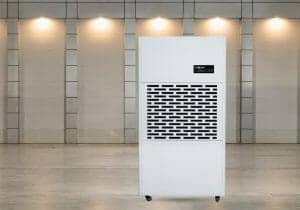
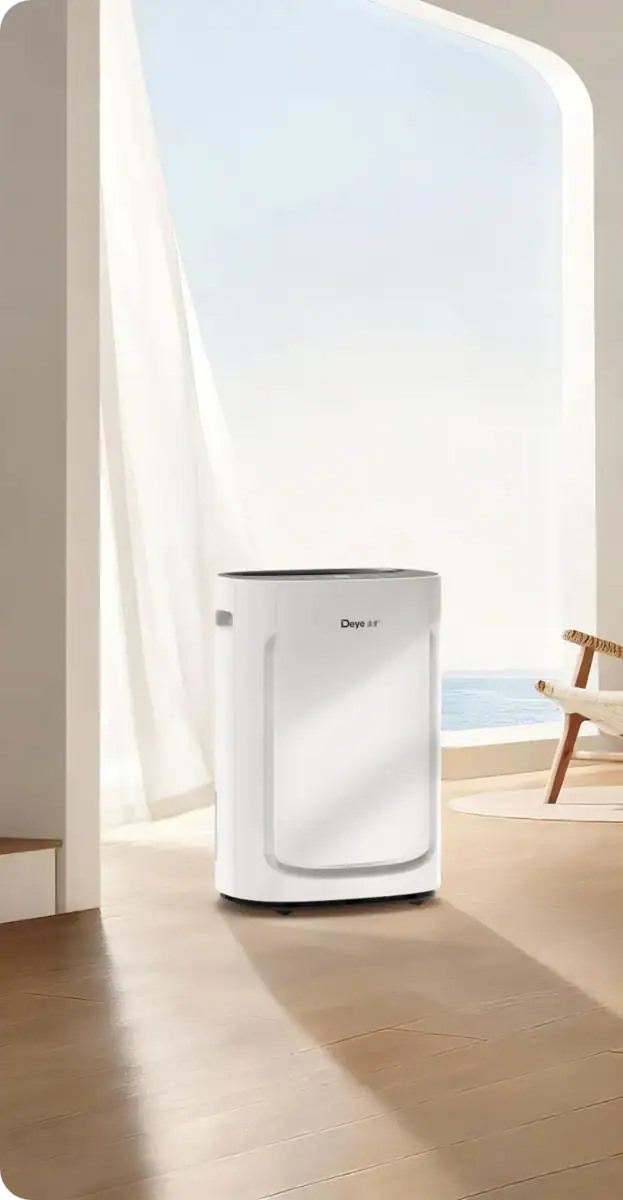
A dehumidifier is a powerful electrical appliance specifically engineered to extract excess water vapor from the air. By physically drawing in damp air, cooling it to condense the moisture into a collection tank, and releasing dry air back into the room, a dehumidifier fundamentally transforms your living space.
Key Benefits of Using a Dehumidifier:
- Allergy Relief: By forcibly dropping the humidity below 50%, a dehumidifier stops mold, mildew, and dust mites dead in their tracks.
- Property Protection: It actively protects your home from costly moisture damage to drywall, hardwood floors, and cherished personal belongings.
- Enhanced Comfort: Removing heavy moisture allows your air conditioner to run much more efficiently, saving you money on summer utility bills.
Easy to operate and increasingly energy-efficient, a top-rated dehumidifier is an incredibly wise, health-conscious investment for any household battling muggy climates.
Solutions for Low Moisture: A Guide to Humidifiers

If you live in a dry climate or are fighting the harsh effects of winter heating, a dehumidifier is the exact opposite of what you need. Instead, you need to confidently add moisture back into your environment using a humidifier.
Table 2: Types of Indoor Humidifiers
|
Type of Humidifier
|
How It Works
|
Best Used For
|
|---|---|---|
|
Ultrasonic
|
Uses high-frequency vibrations to silently create a cool, fine mist.
|
Small to medium bedrooms; ideal for light sleepers due to quiet operation.
|
|
Evaporative
|
Uses an internal fan to blow dry air over a wet wick filter, evaporating water naturally.
|
Larger living rooms or open spaces; highly energy-efficient but slightly noisier.
|
|
Warm Mist
|
Boils water internally to release a warm, sanitized, soothing steam.
|
Relieving severe winter cold and flu symptoms; great for smaller spaces.
|
|
Whole-Home
|
Integrated directly into your central HVAC ductwork to treat the entire house.
|
Homeowners wanting hands-off, consistent humidity control in every single room.
|
Outdoor Humidification Systems Moisture control isn’t strictly an indoor game. For specific outdoor applications, specialized equipment is utilized:
- Misting Systems: These systems use high-pressure water pumps to spray a microscopic mist. They are incredibly popular for rapidly cooling down outdoor patios or al fresco dining areas.
- Evaporative Coolers (Swamp Coolers): By pulling hot outdoor air through water-saturated pads, these devices cool the air while significantly raising the humidity. They are lifesavers in arid, desert climates.
- Greenhouse Foggers: Specialized agricultural systems designed to strictly maintain the high humidity levels required for optimal commercial plant growth.
When choosing a humidifier, carefully consider the square footage of your space, your budget, noise preferences, and maintenance requirements. Expert Tip: Diligent, routine cleaning of your humidifier is absolutely non-negotiable to prevent the dangerous aerosolization of stagnant bacteria and mold.
Take Control of Your Indoor Air Quality Today
Achieving the perfect balance of indoor moisture is not just about physical comfort; it is a vital step in protecting your family’s health and preserving your property’s value. Whether you need to pull heavy moisture out of a damp basement with a high-capacity dehumidifier, or soothe your winter dry skin with an ultrasonic humidifier, taking action today will transform how you experience your home. In salons and aesthetic clinics, balanced humidity also supports client comfort and the reliable operation of professional beauty equipment ; always follow the manufacturer’s environmental requirements.
Ready to breathe easier? Invest in a digital hygrometer today to check your home’s vitals, and explore our premium selection of climate control solutions tailored for your exact needs.
Frequently Asked Questions (FAQs)
1. What is the main difference between a dehumidifier and an air conditioner? While both appliances can make a room feel cooler, their primary functions differ. A dehumidifier is designed specifically to remove excess moisture from the air, making the environment feel crisp and dry without significantly dropping the actual room temperature. An air conditioning system, however, is designed to aggressively cool the air temperature by removing heat. Dehumidification is simply a helpful byproduct of the AC’s cooling process.
2. Can I use a humidifier and a dehumidifier in the same room? It is highly inefficient and counterproductive to run both simultaneously in the exact same space, as they will fight against each other. However, you might use a dehumidifier in a notoriously damp basement during the summer, while utilizing a warm mist humidifier in your upstairs bedroom during the dry winter months.
3. Where is the best place to position my hygrometer? To get the most accurate reading, place your hygrometer in a central living area, away from direct sunlight, exterior doors, and HVAC air vents. Avoid placing it directly inside a bathroom or right next to a stove, as temporary spikes in steam will give you a falsely high reading of your home’s overall humidity.
4. How often should I clean my humidifier or dehumidifier? For humidifiers, you should rinse the tank daily and perform a deep clean with white vinegar weekly to prevent bacteria and mold buildup. For dehumidifiers, empty the water collection bucket as soon as it is full, and scrub the bucket with soap and water every two weeks. Always remember to check and clean the reusable air filters monthly on both appliances to ensure maximum efficiency.