
Winter brings cozy nights by the fire, but it also ushers in an invisible discomfort: dry indoor air. If you find yourself battling dry skin, static shocks, and a scratchy throat as the temperature drops, poor indoor humidity is likely the culprit. Managing your home’s air quality is about more than just adjusting the thermostat; it requires a delicate balance of moisture.
For optimal health and comfort, the ideal indoor humidity level in winter should stay between 30% and 50%. Striking this perfect balance prevents the structural damage and health issues associated with bone-dry air, while also avoiding the mold and condensation risks of excessive moisture. This guide will walk you through everything you need to know about optimizing your winter indoor humidity.

Understanding Winter Humidity Basics
To manage your home’s air quality, it helps to understand how moisture behaves. Humidity is simply the amount of water vapor present in the air. Experts generally use two measurements to track this:
- Relative Humidity (RH): The percentage of water vapor in the air compared to the maximum amount the air could hold at its current temperature.
- Absolute Humidity: The actual mass of water vapor per volume of air, usually measured in grams per cubic meter.
Cold air naturally holds significantly less moisture than warm air. When freezing outdoor air enters your warm home, its relative humidity plummets, creating a profoundly dry environment.
The Temperature-Humidity Relationship
Because cold windows and uninsulated walls can cause warm indoor moisture to condense and form mold, your target indoor humidity must shift based on the temperature outside. Use this table as a daily guideline to protect your windows and walls:
|
Outdoor Temperature
|
Recommended Indoor Humidity (RH)
|
|---|---|
|
Above 50°F (10°C)
|
30% – 50%
|
|
20°F to 50°F (-6°C to 10°C)
|
30% – 40%
|
|
0°F to 20°F (-17°C to -6°C)
|
20% – 30%
|
|
Below 0°F (-17°C)
|
15% – 20%
|
Why Winter Indoor Humidity Matters

Maintaining the sweet spot of optimal humidity goes far beyond basic physical comfort. It is a vital component of a healthy household and proper home maintenance.
Enhanced Health and Comfort Dry winter air constantly pulls moisture from your body. This leads to chapped lips, irritated eyes, and flaky skin. Furthermore, studies show that maintaining proper moisture levels can reduce respiratory infections by up to 30%. Viruses thrive in dry environments, and properly humidified air helps keep your nasal passages moist, acting as a natural defense against seasonal illnesses.
Protection of Home Infrastructure Your home’s interior is highly sensitive to moisture fluctuations. Wood furniture, hardwood flooring, and musical instruments can shrink, crack, and warp when exposed to excessively dry air. Maintaining adequate humidity helps preserve the structural integrity of your valuables and extends their lifespan.
Energy Efficiency Benefits Moist air naturally feels warmer to the human body than dry air. By keeping your winter indoor humidity closer to the 40-50% range, you can actually set your thermostat a few degrees lower while maintaining the exact same level of physical comfort. This simple adjustment can lead to noticeable savings on your winter heating bills.
What Causes Dry Indoor Air in Winter?
Several everyday factors contribute to the harsh, dry air experienced in most homes from December through March. Understanding these culprits is the first step toward better air quality.
Heating Systems
Your home’s heating system is the primary driver of dry winter air. Forced-air heating systems are incredibly effective at warming up a space, but they aggressively strip moisture from the environment. Alternatively, radiant heating systems like classic water radiators tend to have a gentler impact on ambient moisture.
Outdoor Infiltration
Cold winter air is inherently dry. Even if your home is well-heated, this dry outdoor air constantly seeks ways inside through microscopic cracks, poorly sealed windows, and drafty doorways. As this cold air enters and warms up, it drastically lowers the overall relative humidity of your living space.
Improper Ventilation
While fresh air is essential for a healthy home, winter ventilation can be a double-edged sword. Leaving a window open for too long allows bone-dry outdoor air to completely displace your warmer, properly humidified indoor air. The key is to ventilate strategically without losing all your moisture.
Effective Ways to Maintain Ideal Humidity

Achieving the ideal indoor humidity level in winter requires a proactive approach. Here are the most effective strategies to keep your home’s moisture balanced.
Utilize Humidifiers
Humidifiers are the most direct and efficient way to combat winter dryness. They actively add water vapor back into your environment. You can choose from cool mist, warm mist, or ultrasonic models based on your specific needs. For whole-home consistency, furnace-mounted humidifiers are an excellent long-term investment.
Harness the Power of Houseplants
Nature offers its own humidifying solutions. Through a process called transpiration, certain houseplants release continuous, gentle moisture into the air. Ferns, spider plants, and peace lilies are excellent choices that double as beautiful decor while naturally boosting your room’s relative humidity.
Adopt Smart Ventilation Practices
Instead of leaving windows cracked all day, practice “burst ventilation.” Open opposing windows for just 5 to 10 minutes to exchange stale air, then close them quickly to trap heat and moisture. Additionally, be mindful of kitchen and bathroom exhaust fans—use them to remove cooking odors or excessive steam, but turn them off promptly so you don’t vent out valuable humidity.
Monitor and Adjust Daily
You cannot manage what you do not measure. Purchasing a digital hygrometer is essential. These inexpensive devices monitor the exact moisture levels in your rooms, allowing you to manually adjust your humidifier or heating settings before the air becomes too dry or too damp.
Common Mistakes to Avoid
When trying to add moisture to a dry home, it is incredibly easy to overcorrect. Balancing humidity requires avoiding these common pitfalls.
The Danger of Over-Humidifying More moisture isn’t always better. Pushing your home’s humidity above 50% in the dead of winter can cause severe issues. Look out for constant condensation on the inside of your windows—this is a warning sign that your air is too saturated, which can quickly lead to toxic mold growth and peeling wallpaper.
Symptom Checker: High vs. Low Humidity
|
Issue
|
Low Humidity (Under 30%)
|
High Humidity (Over 50%)
|
|---|---|---|
|
Physical Symptoms
|
Dry skin, static shocks, bloody noses
|
Clammy skin, heightened allergies
|
|
Home Symptoms
|
Creaking floors, cracked wood furniture
|
Window condensation, peeling paint
|
|
Air Quality
|
High dust levels, thriving cold viruses
|
Musty odors, visible mold/mildew
|
Neglecting Device Maintenance
A humidifier is only beneficial if it is clean. Failing to clean your humidifier’s water tank and filters regularly turns the device into a breeding ground for harmful bacteria and mold spores, which are then dispersed directly into the air you breathe.
Conclusion
Maintaining proper indoor humidity during winter is a critical, yet often overlooked, aspect of home ownership and personal wellness. By understanding the intricate relationship between temperature and moisture, monitoring your levels with a hygrometer, and utilizing tools like humidifiers and strategic ventilation, you can transform your harsh winter home into a comfortable, healthy sanctuary.
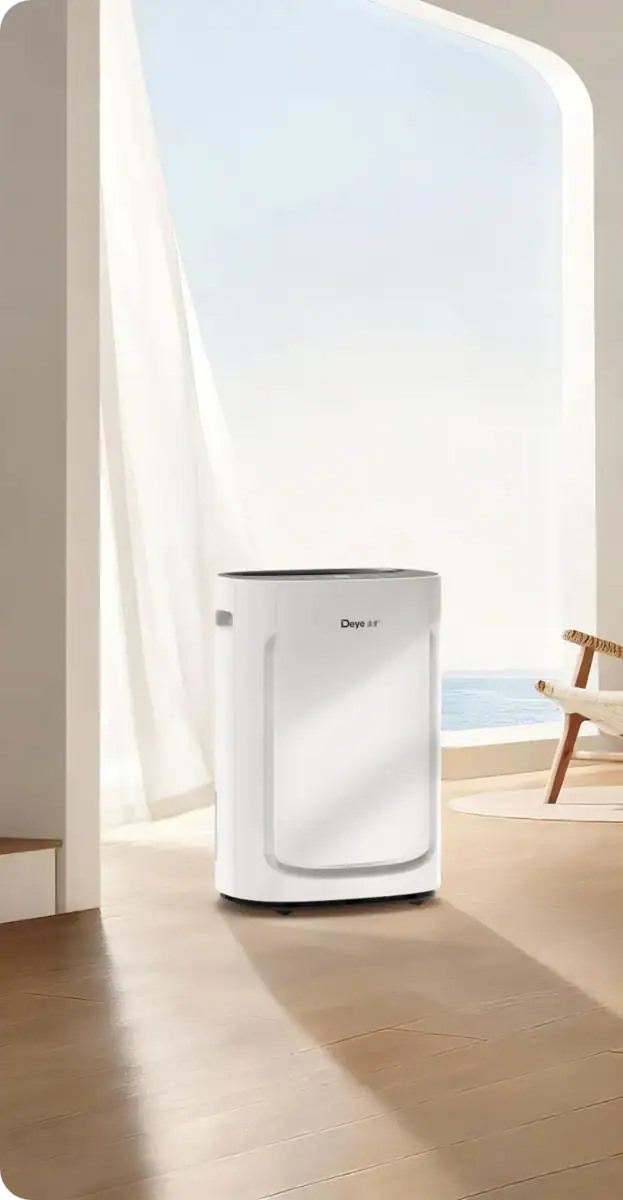
While winter usually demands adding moisture, some localized areas of the home—like basements or poorly ventilated bathrooms—may actually suffer from trapped, excess moisture year-round. For these specialized spaces, Deye offers a premium line of energy-efficient dehumidifiers designed to extract excess moisture seamlessly. Whether you need to dry out an indoor pool room or protect a damp basement from winter mold, explore Deye’s advanced solutions to find the perfect fit for your specific air quality needs.
Frequently Asked Questions
What is the best type of humidifier to use in winter?
The best type depends entirely on your household. Cool mist humidifiers are generally recommended for homes with small children or pets to prevent accidental burns. Warm mist humidifiers boil the water before releasing it, which can be incredibly soothing for relieving cold congestion and ensuring the expelled moisture is bacteria-free.
How do I measure my home’s indoor humidity?
You should use a digital hygrometer. This is a small, inexpensive device resembling a digital thermostat that constantly measures the relative humidity (RH) in the room. Place it away from direct heat sources and windows for the most accurate reading.
How often should I clean my humidifier?
You should deeply clean your humidifier at least once a week during periods of heavy use. Use a mixture of white vinegar and water to descale the tank and eliminate any hidden bacteria or mold growth. Always follow the specific manufacturer’s instructions.
How can I increase humidity naturally without buying a humidifier?
There are several zero-cost tricks to boost moisture. You can leave the bathroom door open while taking a hot shower, let your wet laundry air-dry on racks inside the house, or simply leave bowls of water near heating vents to allow for steady evaporation.
Do I ever need to use a dehumidifier during the winter?
Yes, in very specific scenarios. While winter air is generally dry, you might need a dehumidifier in tightly sealed modern homes where everyday moisture (from cooking, showering, and breathing) has nowhere to escape. They are also crucial in notoriously damp areas like unheated basements, indoor hot tub rooms, or homes located in regions with exceptionally mild, wet winters.