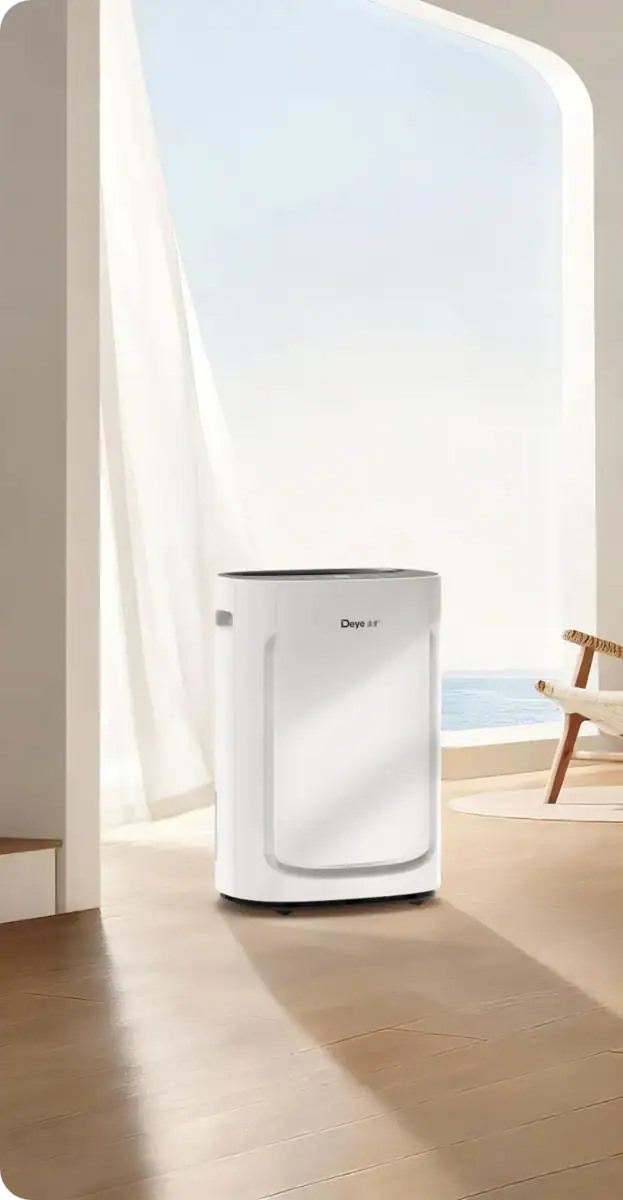


Does your home ever feel sticky, clammy, or uncomfortably warm, even when the air conditioner is running? Excess indoor moisture is more than just a summer nuisance—it’s a silent threat to your well-being and the structural integrity of your home.
A highly humid environment creates the perfect breeding ground for pests, dust mites, and harmful microorganisms. Furthermore, trapped moisture can warp your hardwood floors, ruin wooden furniture, and severely aggravate respiratory conditions like asthma and allergies.
If you are struggling with heavy, moisture-laden air, investing in a high-quality dehumidifier is the ultimate solution. In this comprehensive guide, we will explore how dehumidifiers work, the incredible benefits they offer, and exactly how to choose the perfect unit for your living space.
What is a Dehumidifier and How Does It Work?
At its core, a dehumidifier is an electrical appliance designed to extract excess water vapor from your indoor air, effectively reducing and maintaining optimal humidity levels.
Air moisture is measured in Relative Humidity (RH). For a healthy, comfortable home, experts highly recommend maintaining an indoor RH between 30% and 50%. When relative humidity creeps above the 50% mark, your home can quickly become a haven for allergens, mold, and mildew.
The Dehumidification Process
While they might seem complex, most standard dehumidifiers operate using a simple, highly effective four-step process:
- Air Intake: An internal fan pulls the humid, moisture-heavy air from your room into the device.
- Cooling & Condensation: The air is passed over intensely chilled metal coils. This sudden drop in temperature causes the water vapor in the air to condense into liquid water.
- Collection: The newly formed water droplets drip down into a removable storage tank (or are pumped out through a continuous drainage hose).
- Air Release: The now-dry air is gently reheated and circulated back into your room, instantly improving your indoor air quality.
5 Major Benefits of Using a Dehumidifier
Maintaining optimal indoor humidity levels does more than just keep you from sweating. A reliable dehumidifier offers a wide array of benefits that enhance your daily life and protect your property.
1. Prevent Mold and Mildew Growth
Mold and mildew are aggressive fungi that thrive in damp, dark environments. Left unchecked, they can permanently damage drywall, wallpaper, furniture, and clothing. By keeping your home’s relative humidity strictly below 50%, a dehumidifier starves mold of the moisture it needs to survive, protecting your home’s surfaces from structural and aesthetic damage.
2. Improve Indoor Air Quality and Comfort
High humidity makes the air feel heavy and often brings a stagnant, musty odor. By actively extracting water vapor, a dehumidifier drastically improves indoor air quality. With less ambient moisture, your living spaces will smell fresher and feel significantly cooler, transforming damp basements and stuffy bedrooms into comfortable retreats.
3. Protect Your Home from Structural Damage
Excessive airborne moisture inevitably leads to condensation on windows and walls. Over time, this creeping dampness can peel paint, unglue wallpaper, and even threaten the structural integrity of your home’s foundation and wooden support beams. A dehumidifier acts as a protective shield against this slow, moisture-related decay.
4. Enhance Energy Efficiency and Lower Bills
Did you know that dry air is actually easier to cool than humid air? When your home is filled with moisture, your HVAC system has to work overtime to condition the air. By running an energy-efficient dehumidifier, you remove that heavy moisture load. This allows your air conditioner to cool your home faster and with less effort, potentially lowering your monthly energy bills.
5. Control Pests and Allergens
Insects like spiders, silverfish, and cockroaches love damp environments. Furthermore, high humidity is the ideal climate for microscopic dust mites. By removing the excess moisture, your home becomes a hostile environment for these unwanted guests. This reduction in pests and allergens directly translates to fewer allergy flare-ups and a healthier breathing environment.
Warning Signs You Need a Dehumidifier ASAP
To maintain a comfortable and healthy home, you must manage your indoor humidity proactively. If you aren’t sure whether you need a dehumidifier, look out for these telltale signs of high moisture:
- Visual Indicators: You notice persistent condensation on the inside of your windows, wet water stains on ceilings, or visible mold patches in the corners of rooms.
- Olfactory Cues: Certain rooms in your house suffer from a lingering, musty odor that won’t go away, no matter how much you clean.
- Physical Discomfort: The air feels consistently damp, clammy, and heavy, making it difficult to sleep or relax.
Pro Tip: The best way to diagnose a moisture problem is to purchase a basic digital hygrometer. If it consistently reads above 50%, it is time to invest in a dehumidifier.
Problem Areas in the Home
Certain zones in your house are naturally more prone to moisture buildup:
- Basements & Crawlspaces: These areas suffer from lower temperatures and poor ventilation, easily trapping dampness.
- Bathrooms & Laundry Rooms: Frequent use of hot water creates massive spikes in steam and humidity.
- Bedrooms: You spend a third of your life here; managing bedroom humidity is essential for deep sleep and respiratory health.
How to Choose the Right Dehumidifier for Your Needs
Selecting the perfect dehumidifier ensures efficient moisture control while keeping your electricity costs manageable. You need to understand the different types available, properly size the unit for your room, and look for smart operational features.
Types of Dehumidifiers
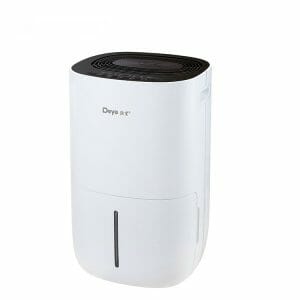
- Portable Dehumidifiers: These are versatile, standalone units perfect for single rooms, apartments, or small basements. They are plug-and-play and easily moved from room to room.
- Whole-House Dehumidifiers: Designed for comprehensive moisture control, these large units integrate directly into your home’s existing HVAC system, regulating the humidity of the entire house simultaneously.
- Refrigerant vs. Desiccant: Most household units are refrigerant dehumidifiers, which use cold coils to condense water. Desiccant dehumidifiers use a moisture-absorbing material instead, making them highly effective in extremely cold spaces (like unheated garages).
Sizing Guide: Finding the Right Capacity
A dehumidifier’s capacity is measured by how many pints of moisture it can extract from the air in a single 24-hour period. Buying an undersized unit will result in it running constantly without solving the problem.
Use this quick sizing chart based on standard room sizes and moderate dampness:
Table 1: Dehumidifier Sizing Chart
|
Room Size (Square Feet)
|
Recommended Pint Capacity (Per Day)
|
Best Use Case
|
|---|---|---|
|
Up to 500 sq. ft.
|
10 – 15 Pints
|
Small bedrooms, bathrooms, RVs
|
|
500 – 1,000 sq. ft.
|
14 – 22 Pints
|
Large bedrooms, living rooms, small basements
|
|
1,000 – 1,500 sq. ft.
|
18 – 35 Pints
|
Open-concept spaces, medium basements
|
|
1,500+ sq. ft.
|
50 – 80 Pints
|
Large basements, whole-house integration
|
(Note: If your space is excessively wet or prone to standing water, always size up to a higher pint capacity).
Estimating the Cost
Budgeting for a dehumidifier depends heavily on the capacity and the technology. Here is a breakdown of what you can expect to spend.
Table 2: Estimated Dehumidifier Costs
|
Dehumidifier Category
|
Pint Capacity
|
Estimated Price Range
|
|---|---|---|
|
Portable (Small)
|
20 – 30 Pints
|
$45 – $260
|
|
Portable (Medium)
|
35 – 50 Pints
|
$139.99 – $299.99
|
|
Portable (Large)
|
70 – 80 Pints
|
$199.99 – $289.99
|
|
Whole-House / HVAC
|
35 – 50 Pints
|
$222 – $336
|
|
Whole-House / HVAC
|
70 – 80 Pints
|
$229.99 – $269.99
|
Essential Features & Best Practices for Operation

To get the absolute best performance and longevity out of your new appliance, look for models equipped with modern, user-friendly features:
- Built-in Humidistat: Automatically monitors the room’s air and adjusts the machine’s operation to maintain your precise target humidity.
- Automatic Shutoff: Prevents flooding by instantly powering down the machine the moment the water collection tank is full.
- Filter Indicators: Alerts you exactly when the internal air filter needs to be washed or replaced.
Best Practices for Maximum Efficiency
- Clearance is Key: Always place your dehumidifier at least 6 to 12 inches away from walls and large furniture to guarantee optimal, unobstructed airflow.
- Seal the Room: Keep windows and doors tightly closed while the machine is running. If you leave them open, the unit will constantly try to dehumidify the outside air, wasting massive amounts of electricity.
- Consistent Maintenance: Regularly empty the water tank to ensure continuous operation, and clean the mesh air filter every few weeks to keep the motor running smoothly.
Conclusion
Ignoring a damp, sticky home isn’t just uncomfortable—it’s a fast track to mold infestations, ruined furniture, and aggravated allergies. By actively managing your indoor climate with a properly sized dehumidifier, you can breathe easier, protect your property, and create a truly healthy living environment.
Ready to take control of your home’s air quality?
Check your home’s current humidity levels today, review our sizing chart, and invest in the perfect dehumidifier to turn your damp house into a comfortable, dry sanctuary.
Frequently Asked Questions (FAQ)
Q: Do you need to run a dehumidifier every single day?
A: If your home chronically suffers from excess moisture (like in a humid coastal climate or a damp basement), yes, daily use is beneficial. However, you don’t need to run it 24/7. It is highly recommended to buy a model with a built-in humidistat; it will run only until the target humidity (around 45%) is reached, and then power off automatically to save energy.
Q: What is the absolute best time to run a dehumidifier?
A: There is no strict “best” time, as it depends on when your home experiences moisture spikes. For example, running it right after a hot shower or while boiling water for dinner is highly effective. If you are concerned about electricity costs, try running the unit during off-peak energy hours (usually late at night or early in the morning).
Q: Is it bad for my health to use a dehumidifier too much?
A: Yes. Over-dehumidifying your space can pull the Relative Humidity below 30%. Excessively dry air can cause dry, itchy skin, irritated nasal passages, and chapped lips. It is also terrible for your home, causing wooden floorboards to shrink, splinter, and crack. Always set your machine’s target humidity between 30% and 50% to prevent this.
Q: How often should I empty the water tank?
A: This depends on the tank size and your room’s humidity. In very damp spaces, you may need to empty it once or even twice a day. To avoid this chore entirely, look for a dehumidifier that features a “continuous drain” option, which allows you to attach a standard garden hose and drain the water directly into a floor sink.
Q: Can I drink the water that the dehumidifier collects?
A: Absolutely not. The water collected in the tank is stagnant and full of microscopic dust, bacteria, mold spores, and potentially heavy metals leached from the machine’s cooling coils. While it cannot be consumed by humans or pets, it is considered “greywater” and can be safely used to flush toilets or water your non-edible indoor houseplants.