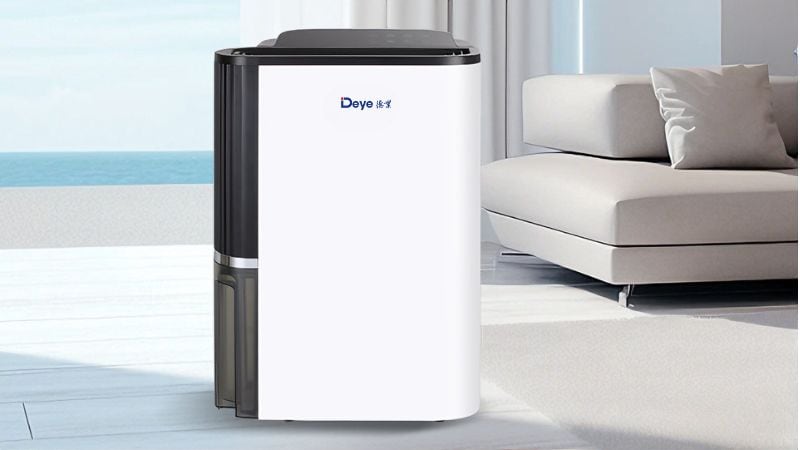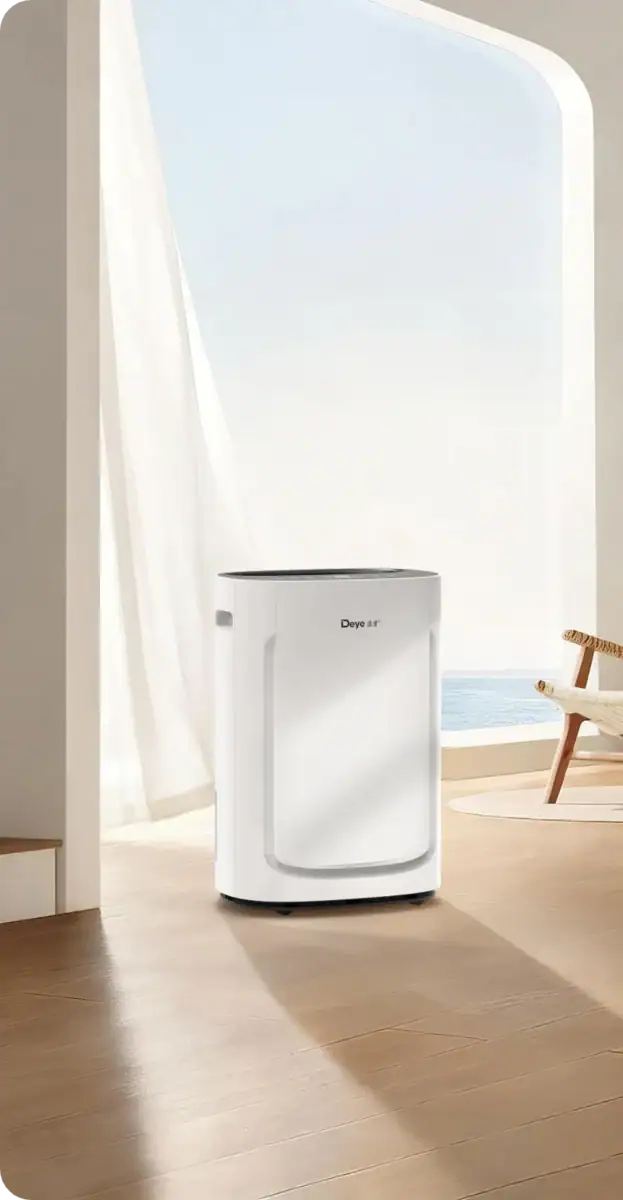

A dehumidifier is your best weapon against dampness and musty odors. But does running one mean your electricity meter will spin out of control?
Not at all. Let’s get straight to the facts about how much electricity a dehumidifier uses and how you can save money while making your home feel great.
How Dehumidifiers Work and Why They Use Electricity
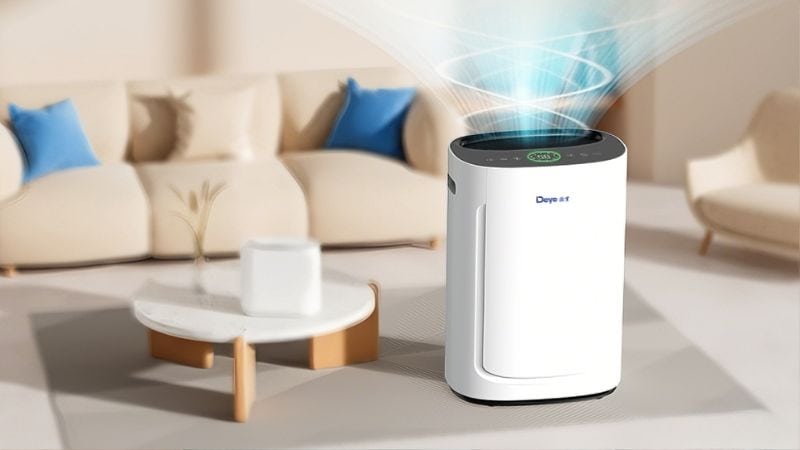
So, what’s happening inside that box? Most dehumidifiers you’ll find are refrigerant dehumidifiers. Think of them like a mini-fridge. They use a fan to pull in your home’s moist air and pass it over cooled coils. The moisture condenses into water, which drips into a collection tank, and drier air is released back into the room.
The electricity is mainly used to power the compressor (which cools the coils) and the fan (which keeps the air moving). That’s the tag team that gets the job done.
Dehumidifier Energy Usage
Now for the main event. The amount of electricity, measured in watts, really depends on the dehumidifier’s size and power.
- Small tabletop models: These tiny units can use as little as 20-30 watts. They’re great for a small bathroom or closet.
- Standard home models (30-50 pint): This is the most common size, and they typically pull between 300 to 600 watts.
- Large whole-house models (70+ pint): These workhorses can use 700 watts or more to tackle big, damp spaces like basements.
Pro-Tip: Want to know the exact wattage of your dehumidifier? Just check the sticker on the back or bottom of the unit. The manufacturer’s label will list the power consumption.
Here’s a quick-reference table to make it even simpler:
| Dehumidifier Size (Pints) | Typical Power (Watts) |
|---|---|
| 20-30 Pint (Small) | 300 – 460 W |
| 40-50 Pint (Medium) | 500 – 590 W |
| 70+ Pint (Large) | 600 – 700+ W |
Key Factors That Influence Dehumidifier Energy Use
Why do some dehumidifiers use more energy than others? It’s not just about size. Several things can affect how hard your machine has to work.
Size and Capacity A big, powerful unit will naturally use more watts than a small one. However, using a tiny dehumidifier in a huge, damp basement will force it to run 24/7, which isn’t efficient. It’s all about matching the tool to the job.
Ambient Humidity & Temperature On a super muggy, rainy day, your dehumidifier is going to work much harder (and use more power) than on a moderately dry day. The more moisture in the air, the more energy it needs to pull it out.
Age and Efficiency Rating Older models just aren’t as efficient as new ones. If you want a truly energy-efficient machine, look for the Energy Star logo. These certified models are designed to use about 13% less energy than their standard counterparts, saving you money over the long run.
Your Chosen Humidity Setting Most dehumidifiers have a built-in hygrometer that lets you set a target humidity level. The ideal range for comfort and mold prevention is between 30% and 50%. If you set it lower than that, the machine will run constantly, using more power than necessary.
How to Calculate the Cost of Running Your Dehumidifier
Ready to do some quick math? Finding out your actual cost is surprisingly easy.
- Find the Wattage: Grab that number from the back of your unit. (Let’s use 500 watts for our example).
- Calculate Kilowatt-hours (kWh): Utilities bill you by the kilowatt-hour. The formula is:
(Wattage x Hours of Use) / 1000 = kWh. - Find Your Electricity Rate: Check your latest utility bill for the “price per kWh.” The national average is around $0.16/kWh, but it varies.
- Calculate the Cost: The final step is:
kWh x Your Electricity Rate = Total Cost.
Let’s see it in action: Let’s say you run your 500-watt dehumidifier for 8 hours a day.
(500 Watts x 8 hours) / 1000 = 4 kWh4 kWh x $0.16/kWh = $0.64 per day
That comes out to just under $20 a month. Not too bad for a much more comfortable home!
8 Expert Tips to Reduce Your Dehumidifier’s Energy Cost
You don’t have to choose between a dry home and a low energy bill. With a few smart tweaks, you can have both.
- Choose the Right Size: Don’t just guess. A unit that’s too small will run forever, while one that’s too big is a waste of power. Measure your space and pick the recommended size.
- Invest in an Energy Star Model: That little blue sticker makes a big difference. The long-term energy savings will often pay back the higher initial price.
- Set the Optimal Humidity Level: Aim for that 30-50% sweet spot. The dehumidifier will automatically shut off when it hits the target, giving it (and your wallet) a break.
- Position It for Maximum Airflow: Don’t shove your dehumidifier in a corner. Place it with at least a foot of space on all sides so it can circulate air efficiently.
- Perform Regular Maintenance: A clogged filter makes the machine work harder. Rinse your dehumidifier’s filter every couple of weeks to keep it breathing easy.
- Keep Excess Moisture Out: Help your dehumidifier out! Close windows and doors on humid days and fix any leaky pipes or drafty spots.
- Use a Fan: A simple ceiling fan or box fan helps circulate air, meaning the dehumidifier can do its job more effectively without having to run as long.
- Run it During Off-Peak Hours: If your utility offers cheaper rates at night, schedule your dehumidifier to run then.
Is Running a Dehumidifier Worth the Cost? Comfort and Efficiency with Deye
So, is a dehumidifier worth the cost? Absolutely. The comfort, health benefits, and protection it offers your home are well worth the manageable running costs.
And if you want to start with a dehumidifier that combines powerful performance with outstanding energy efficiency, look no further. At Deye, we build our dehumidifiers with modern, energy-saving technology to ensure they run quietly and reliably without racking up a huge bill. They are the perfect solution for anyone who wants a dry, comfortable home without compromise.
Ready to find the perfect balance of comfort and efficiency? Explore our range of Deye dehumidifiers today and discover the ideal model for your home!