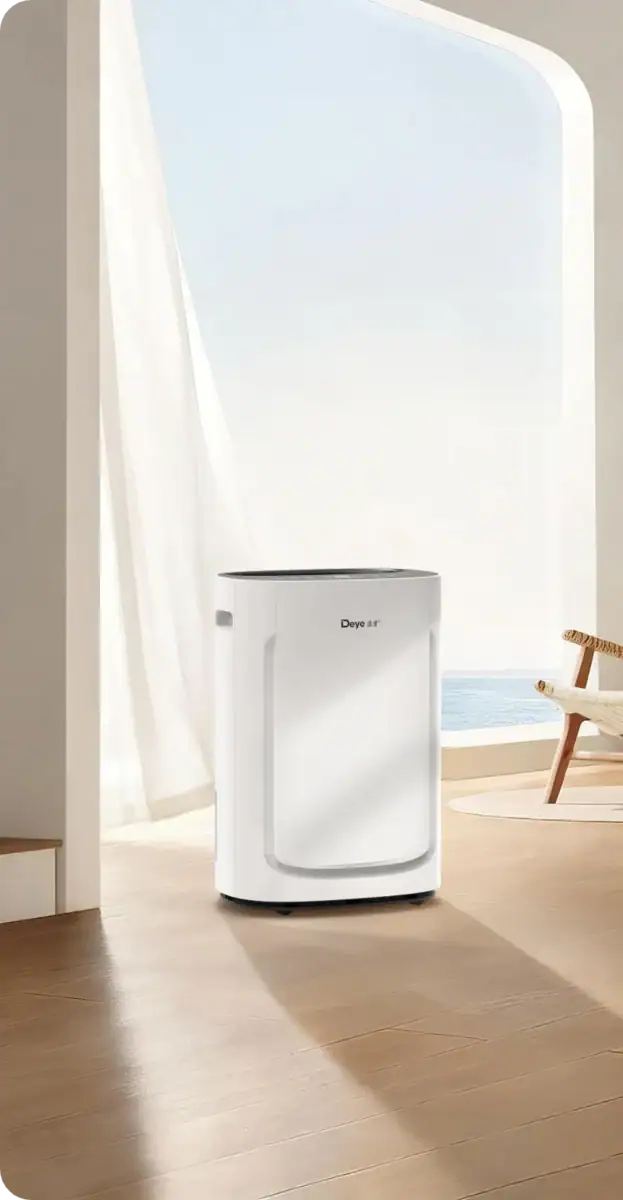

Dehumidifier with a pump or no pump? If you require continuous, hands-off drainage, a pump-equipped model is the clear choice, particularly for installation in a basement or other area without a nearby floor drain. If you can place the unit near a drain or don’t mind the need for manual emptying, a non-pump dehumidifier will work perfectly and often costs less.4
From this article you’ll learn how each type drains water, what pumps do, and which features matter most for long-term use.
Types Of Dehumidifiers: Dehumidifier With Pump vs. No Pump
Dehumidifiers primarily fall into three categories based on how they handle the collected water: those with built-in pumps for automatic expulsion, those relying on gravity or manual emptying, and hybrid models that offer optional pump kits.
Dehumidifiers With a Built-In Pumps
These models use an internal pump to force collected water through a hose upward to a sink, window, or distant drain. This automatic water removal is ideal for basements or crawl spaces where the floor is below the drain level, eliminating the need for manual emptying. While they offer superior convenience, they come at a higher initial cost and have more components that may require maintenance.
Gravity-Drain Dehumidifiers (Without a Pump)
Non-pump dehumidifiers are simpler. They channel condensed water via a hose that must run downhill to a drain or out a window, relying solely on gravity. If a continuous drain isn’t feasible, you must manually empty the built-in bucket. These units are generally more affordable and have fewer mechanical parts but require you to manage the water removal process regularly.
The Hybrid Approach: Optional Pump Kits
For flexibility, some manufacturers offer add-on pump kits. These allow you to convert a standard gravity-drain model into a pump-assisted unit later, which is a great solution if your needs change or you move the dehumidifier to an area without easy drainage.
What a Pump Does on a Dehumidifier?
A pump moves the water the dehumidifier collects so you don’t have to empty the bucket or rely on gravity. It lets you route condensate to higher drains or farther-away outlets and keeps continuous operation without frequent monitoring.
Enabling Installation Below the Drain Point
The key advantage of a built-in pump is its ability to lift water vertically. This allows you to place the dehumidifier in a low spot, like a basement sump pit, and pump the water up to a higher drain. Look for specifications like maximum lift (often 15-17 feet) to ensure it meets your setup’s needs.
Achieving “Set It and Forget It” Drainage
With a pump, the unit can run continuously without intervention, providing stable humidity control for extended periods. This automatic water removal is perfect for tackling excess moisture in areas prone to high humidity while you’re away, preventing musty odors and protecting your space from damp-related damage.
How the Pump and Drain Hose Work Together
The pump and drain hose in a dehumidifier work together to enable fully automatic, continuous drainage. The built-in pump actively pushes collected water through the hose, lifting it vertically—often 15–17 feet—and then routing it horizontally to a sink, floor drain, or outdoor outlet. This system is essential for below-grade spaces like basements or crawl spaces, where a gravity drain isn’t accessible. By removing water without manual emptying, it ensures consistent moisture control, prevents musty odors, and supports long-term operation. To maintain reliability, keep the hose free of kinks and clean it periodically to avoid clogs.
Key Differences: Pump vs. Without a Pump
Installation and Drainage Flexibility
A pump-equipped dehumidifier offers unmatched placement freedom, crucial for basements or crawl spaces. Without a pump, you are confined to areas near a floor drain or must commit to manual emptying of water from the bucket.
Noise and Energy Considerations
The pump adds a low mechanical noise when it cycles. For use in bedrooms or living rooms, check decibel ratings—many quality models operate in the low 50s decibels. While the pump uses some extra energy, the impact on overall energy efficiency is minimal compared to the compressor; focus on the unit’s total pints-per-day per kWh rating.
Maintenance Needs: Pump Care Vs. Bucket Cleaning
Pump models require occasional checks to ensure the hose and pump inlet are clear of clogs. Non-pump models shift the maintenance effort to regularly cleaning filters and coils and, most importantly, manual emptying and cleaning of the water bucket to prevent mold and odors.
Choosing the Right Dehumidifier for Your Space
Think about drainage needs, how often you want to empty a tank, and where the unit will sit. Pick a pump model if you need automatic uphill or distant drainage; choose non-pump models when gravity drainage or occasional emptying is practical.
Best for Basements and Crawl Spaces: Dehumidifiers with a Pump
If your basement or crawlspace sits below the level of nearby drains, a pump dehumidifier saves you repeated trips to empty a bucket. Pumps can lift condensate several feet or send it to a distant drain, so you can run the unit continuously during wet seasons without manual intervention.
Look for models with a reliable condensate pump rating and a float-or-sensor cutoff to prevent overflow. Also check noise level and service access — basements run 24/7 and you’ll prefer a unit that’s quiet and easy to maintain.
If you plan to install near a sump or a laundry drain, verify hose compatibility and routing options before buying.
Best for Occupied Living Spaces: Dehumidifiers Without a Pump
Non-pump dehumidifiers work well where gravity drainage to a floor drain or window is available, or where you can empty the tank every few days. These units are typically lighter, cheaper, and quieter — useful in bedrooms, living rooms, or laundry rooms where noise and portability matter.
Choose a unit with an auto-shutoff and a clear, easy-to-remove water bucket if you’ll be emptying it manually. If you have a nearby sink or window, consider a continuous-drain adapter (gravity-fed) to reduce maintenance without the extra cost of a pump.
Looking for Continuous Damp Protection? Choose Deye’s Dehumidifiers
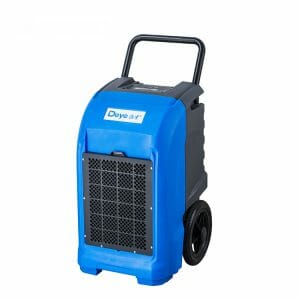
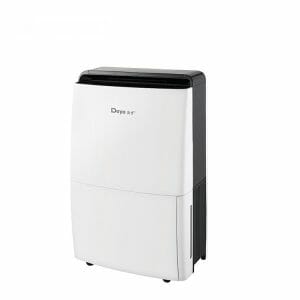
Ready to pick the perfect dehumidifier that fits your space and lifestyle? Check out Deye’s extensive lineup. Whether you need a pump-equipped model for hassle-free automatic drainage in basements or crawl spaces, or a reliable non-pump option for bedrooms, living rooms, or areas with easy gravity drainage. All Deye dehumidifiers meet strict global standards (UN38.3, CE, RoHS, and more) for safety, efficiency, and durability, ensuring long-lasting humidity control that protects your home from dampness and musty odors.
Don’t let moisture problems linger – explore our products and contact us to request a quote today.
Frequently Asked Questions
1. Do I need a dehumidifier with pump for my basement?
A dehumidifier with a pump is highly recommended for basements or crawl spaces where a floor drain is not present or is above the unit’s level. The pump can lift water 15-17 feet vertically, allowing for hands-free moisture control and preventing musty odors and mold growth from excess moisture.
2. Are non-pump dehumidifier models difficult to maintain?
They are simple but require more active involvement. Non-pump models require manual emptying of the water bucket regularly. Maintenance also includes cleaning filters and coils to ensure energy efficiency and optimal dehumidification. They are a good fit where you can easily empty the tank or use a gravity drain hose.
3. Which type is better for a bedroom or living room?
For occupied spaces like bedrooms or living rooms, non-pump models are often preferred. They are typically quieter, operating in the low 50s decibels, and are easier to move. If you have a nearby window or drain for gravity hose drainage, you can avoid the manual emptying task altogether.