
Certainly you can leave a dehumidifier on overnight in most cases, and it often improves comfort and reduces mold risk when you use the right settings and unit for your space. If your dehumidifier has an appropriate capacity, an automatic humidity control, and you follow basic safety and maintenance steps, overnight operation is both safe and effective for improving indoor air quality.
This post explains how overnight operation works, what benefits to expect, how to pick the best dehumidifier for your bedroom, and the quick morning checks that keep the unit running well.
Understanding The Basics Of Overnight Dehumidifier Operation
You’ll learn how a dehumidifier removes moisture, what run cycles it’s built for, and why people choose to run them overnight for comfort and health.
How Dehumidifiers Work to Remove Excess Moisture from the Air
The Benefits of Sleep with a Dehumidifier
The Core Benefits of Using a Dehumidifier in Your Bedroom
Enhanced Sleep Quality Through Effective Humidity Control
Maintaining relative humidity between 40–50% reduces nighttime congestion and dust mite activity, easing breathing for those with respiratory issues or asthma and leading to less disrupted sleep. Modern, quiet units running on a low fan setting remove moisture without creating disruptive noise, while also eliminating damp, sticky sensations that hinder comfort.
Long-Term Home Protection by Preventing Mold Growth
Why run a Dehumidifier Overnight Can Be More Efficient
Operating a dehumidifier overnight can be more efficient than frequent short bursts, as it addresses moisture when nighttime temperatures drop and relative humidity rises. Humidistats ensure the compressor runs only until the target humidity is reached.
Using a lower fan speed and an appropriate humidity setting reduces compressor runtime and electricity draw. If your model has a timer, program it for peak humidity hours. To minimize costs, seal windows and use exhaust fans in moist areas, and consider tracking energy use with a plug-in monitor.
Choosing The Right Dehumidifier For Bedroom Use
Pick a unit that runs quietly, fits your bedroom’s square footage, and has safety and convenience features like auto-shutoff and a reliable humidistat. Matching capacity to room size and noise limits matters most for comfortable overnight use.
Key Features for Safe and Quiet
An auto-shutoff function or continuous drain option is essential to prevent overflow while you sleep. A built-in humidistat allows you to set and maintain an ideal bedroom humidity (40–50%), saving energy and preventing overly dry air that can cause dry skin.
For undisturbed sleep, choose a model rated below 40 dB. Consult real-world reviews for accurate noise assessments, as manufacturer ratings can be optimistic.
Capacity Considerations: Sizing Your Dehumidifier to Manage Bedroom Humidity
Match the unit’s capacity (in pints per day) to your room size and humidity level. For standard bedrooms (100–300 sq ft) in moderately humid climates, a 20–30 pint unit is usually sufficient. Larger rooms or very humid climates may require 30–50 pint models.
Consider ceiling height and open floor plans, as they increase air volume. If the bedroom shares air with a bathroom or basement, choose a slightly larger capacity. Energy Star-rated models can help reduce electricity consumption.
Top Picks For Quiet Overnight Operation
Quiet compact models often balance noise, capacity, and features. Consider these types of units:
- Small rooms (up to 150 sq ft): compact 20-pint models with <40 dB operation and a tank with auto-shutoff.
- Medium rooms (150–300 sq ft): 30-pint models that include a humidistat, multiple fan speeds, and an optional continuous drain.
- Larger rooms or shared spaces: 40–50 pint units with low-noise design, caster wheels, and clear digital controls.
When comparing models, prioritize measured noise levels, presence of a true humidistat, and a reliable auto-shutoff or drain option. Read recent user reviews for overnight performance and check warranty/support for peace of mind.
Expert Tips for Safe and Smart Operation
Follow these concise expert tips before leaving a dehumidifier unattended overnight to ensure safety and effectiveness.
The Non-Negotiables: Safety for Unattended Overnight Use
Check for safety certifications (UL, ETL, CE) and ensure the unit has a working auto-off when the tank is full to prevent overflows and water damage. Test the auto-off during the day before running it overnight.
Strategic Placement to Maximize Comfort and Airflow
Keep 6–12 inches clearance from walls, curtains, and furniture for proper airflow. Place the unit across the room from beds to reduce noise, prevent direct drafts, and avoid tripping hazards.
Conclusion
So, can you leave a dehumidifier on overnight? Absolutely. It is a safe and effective strategy to improve air quality, protect your home from mold growth, and enhance sleep comfort. Success depends on choosing a dehumidifier with the right features (like auto-shutoff and a humidistat), positioning it correctly, and performing simple maintenance.
By proactively managing indoor high humidity at night, you invest in your immediate well-being and your home’s long-term integrity.
Transform Your Bedroom’s Air with Deye Dehumidifier
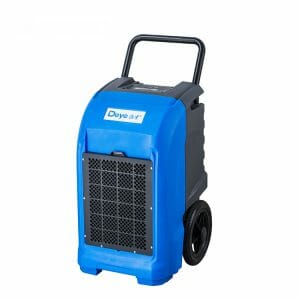
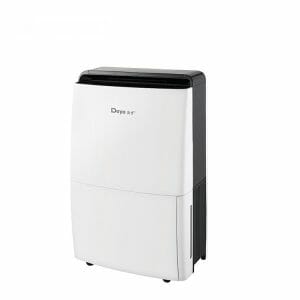
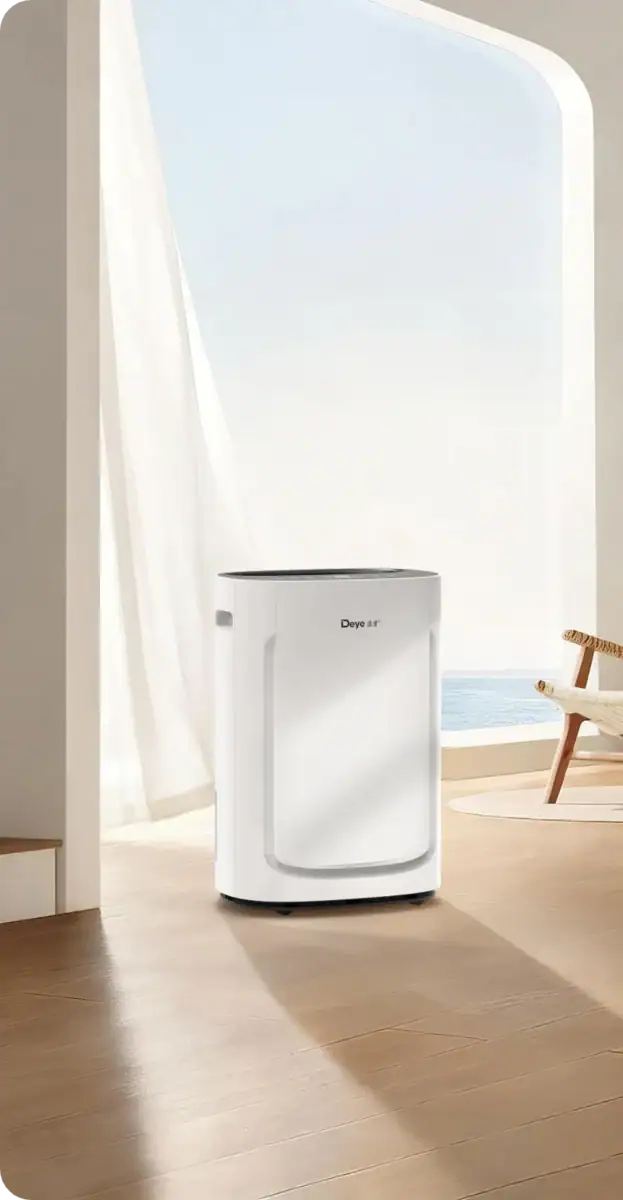
Deye home dehumidifiers are an excellent choice for maintaining a healthy and comfortable indoor environment, especially for safe and effective overnight use. Our innovative features directly address key considerations for continuous operation, promoting better sleep and home protection.
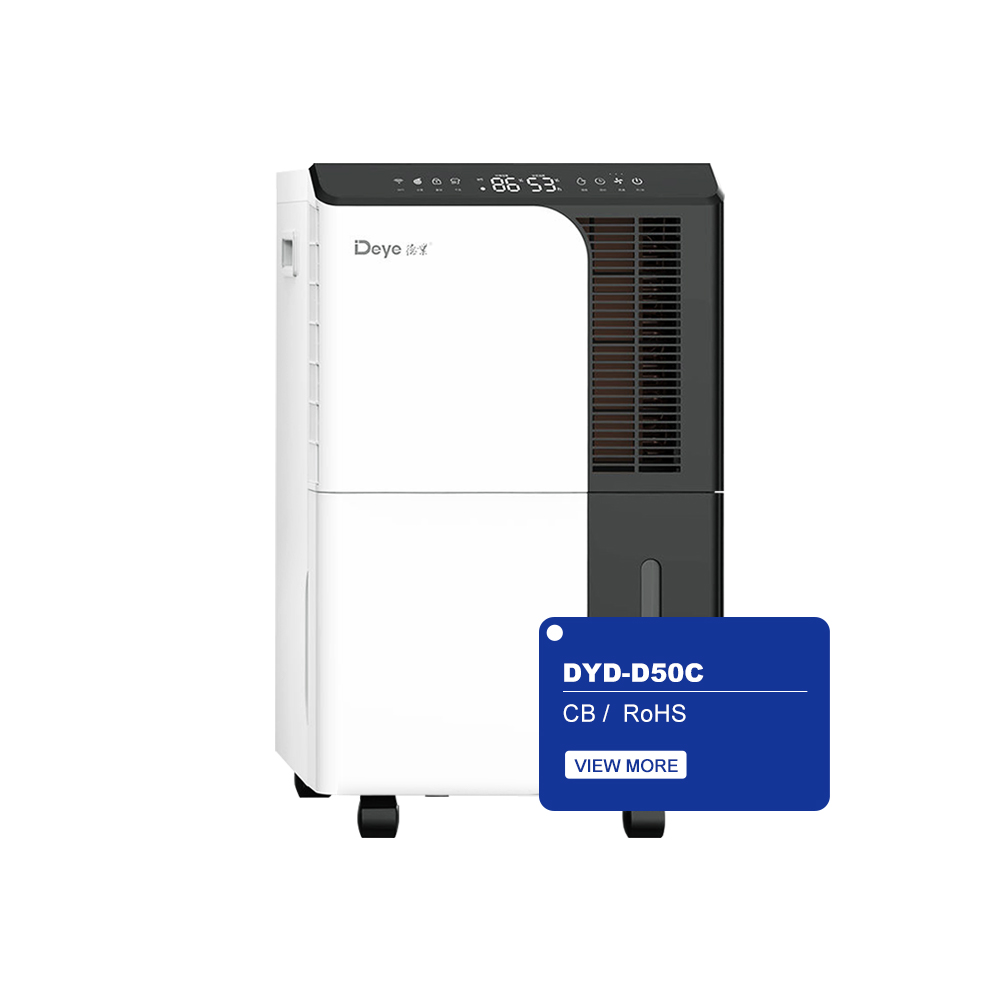
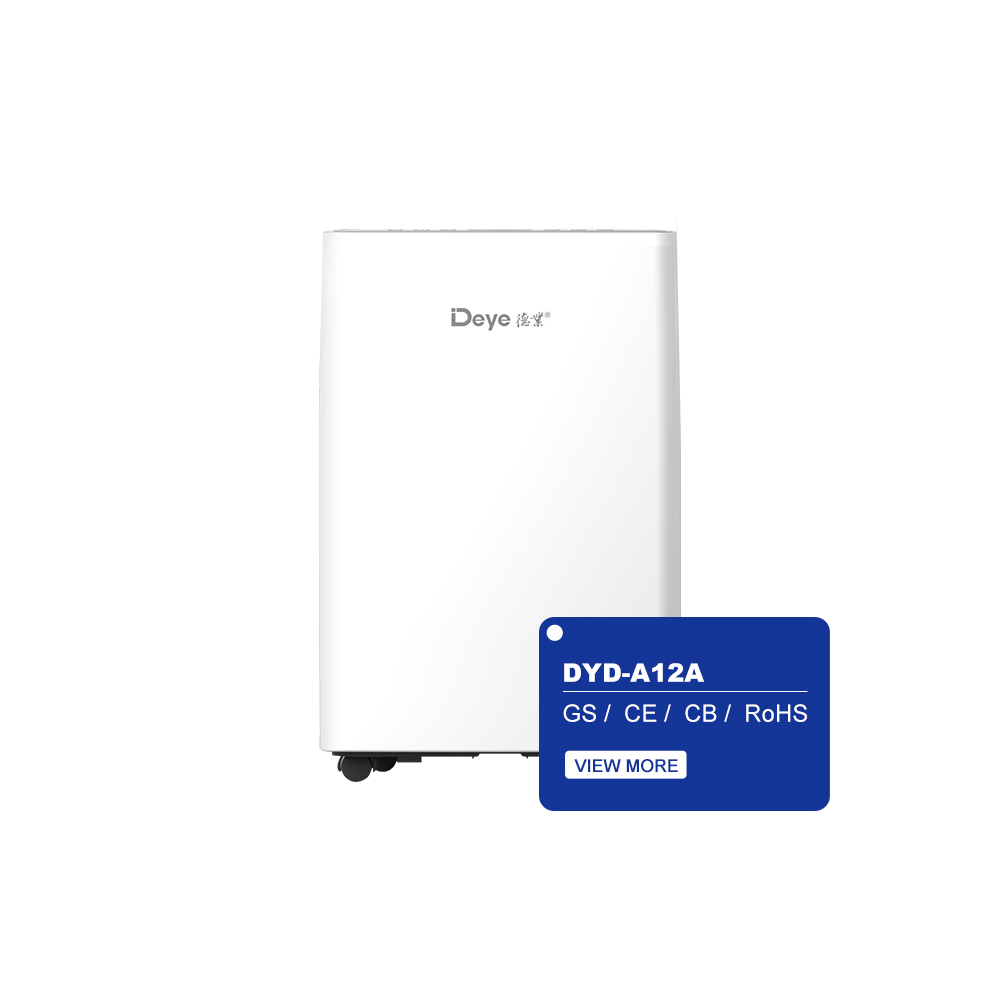
Here are some key features for Deye home dehumidifier:
- Whisper-Quiet Operation: With noise levels as low as 36dB, Deye dehumidifiers are ideal for bedrooms, ensuring undisturbed sleep.
- Continuous Drain Facility: This feature allows for uninterrupted overnight operation, eliminating the need to frequently empty the water tank.
- Smart Controls: Auto-humidistats precisely maintain target humidity levels (typically 40-50% RH), preventing over-drying and saving energy. Programmable timers allow you to set specific operating schedules for peak humidity.
- Auto Defrost Protection: Built-in sensors prevent coil freezing, ensuring efficient and safe operation throughout the night and extending the unit’s lifespan.
Explore our full range of products and contact us for more information.