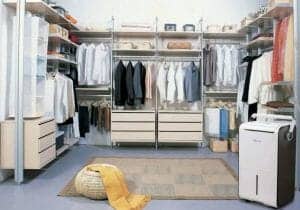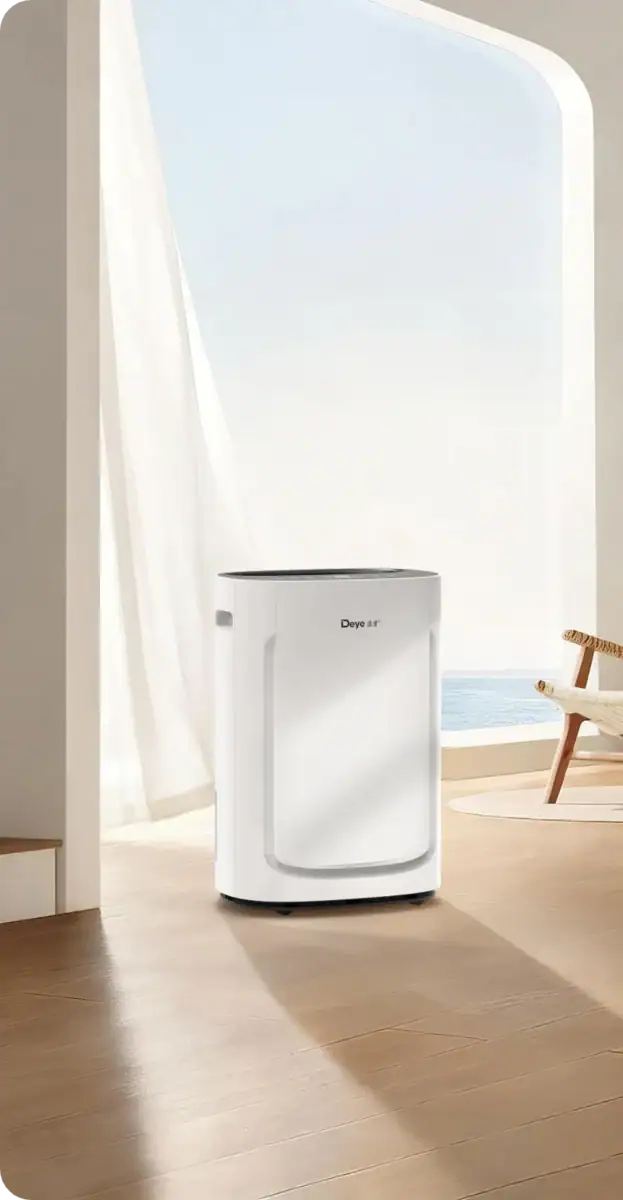

This guide will tell you about another function of a dehumidifier.
Tired of seeing your clothes rack full for days on end, especially when it’s grey and rainy outside? Drying laundry indoors can be a real drag. It often leaves your home feeling damp, your clothes smelling a bit musty, and can even lead to yucky mold. But what if there was a better way? A dehumidifier can be a surprisingly effective, safe, and economical way to dry your laundry.
How Do Dehumidifiers Work to Dry Your Laundry?
It sounds a bit like magic, but it’s actually very simple. A dehumidifier works by pulling in the damp, moist air from a room. Inside the machine, this air is cooled down, which turns the moisture into water droplets that collect in a tank. The now-drier air is slightly warmed and released back into the room.
So, how does this dry your jeans? By constantly pulling moisture out of the air, the dehumidifier creates a drier environment. This makes it much easier and faster for the water in your wet clothes to evaporate, leaving them fresh and dry.
5 Benefits of Using a Dehumidifier for Drying Laundry
Thinking about making the switch? Here are five fantastic reasons why a dehumidifier is a great choice for your laundry.
- 1. It Saves You Money: Let’s be honest, we all love lower bills. Tumble dryers are notorious energy hogs. A dehumidifier uses way less electricity, which means you’ll see a happy difference in your energy costs. It’s a win for your wallet!
- 2. It’s Kinder to Your Clothes: Tumble dryers can be rough, using high heat that can shrink or damage your favorite outfits over time. A dehumidifier uses a gentle stream of dry air, which is much kinder to fabrics. It’s perfect for those delicate items you’d never dare put in a dryer, like wool or silk.
- 3. It’s an Energy-Efficient Choice: Because they use less power, dehumidifiers aren’t just cheaper to run—they’re also a greener, more environmentally friendly option for drying your laundry.
- 4. It Improves Your Home’s Air Quality: A dehumidifier offers a dual benefit. As it dries your clothes, it is also actively improving the air in your home. By removing excess moisture from the environment, it helps prevent the growth of mold, mildew, and dust mites, contributing to a healthier living space.
- 5. It’s a Multi-Talented Appliance: A dehumidifier isn’t just for laundry day. You can use it all year round to keep humidity levels down in steamy bathrooms, musty basements, or any room that feels a bit damp. It’s a versatile tool for a more comfortable home.
How to Dry Clothes Indoors with a Dehumidifier: A Step-by-Step Guide
Ready to give it a go? It couldn’t be easier.
- Pick a Small Room: For the best results, set up in a smaller room like a laundry room, bathroom, or spare bedroom. This allows the dehumidifier to work more efficiently.
- Hang Your Clothes: Pop your wet laundry on a clothes horse or rack. Try to leave a little space between each item so the air can move around them freely.
- Position Your Dehumidifier: Place the dehumidifier near the clothes rack, but don’t block its vents. It needs space to pull in the damp air.
- Try “Laundry Mode”: Many modern dehumidifiers have a special “laundry” setting. This usually makes the fan work a bit harder to speed up drying time.
- Shut the Door: Close any doors and windows in the room. This creates a closed environment and stops more moisture from getting in, letting the dehumidifier work its magic faster.
Dehumidifier vs. Other Drying Methods
How does a dehumidifier stack up against the alternatives?
|
Method
|
Speed
|
Cost
|
Fabric Care
|
Other
|
|---|---|---|---|---|
|
Dehumidifier
|
Medium
|
Low
|
Excellent
|
Prevents damp & mold
|
|
Tumble Dryer
|
Very Fast
|
High
|
Can cause shrinkage/damage
|
Needs venting or space
|
|
Indoor Air Drying
|
Very Slow
|
Very Low
|
Good
|
Creates damp & mold risk
|
|
Heated Airer
|
Medium
|
Medium
|
Good
|
No moisture removal
|
|
Clothesline
|
Slow-Fast
|
Free
|
Excellent
|
Weather dependent
|
Dehumidifier vs. Tumble Dryer: A dehumidifier costs significantly less to run—often just a few pence per hour compared to over £1 per cycle for a dryer. It’s also much gentler on delicate fabrics that can’t go in the dryer.
Dehumidifier vs. Indoor Air Drying: While air drying is free, it introduces a huge amount of moisture into your home, which can lead to dampness, mold, and that musty laundry smell. A dehumidifier prevents all of this while speeding up the process.
Energy Use and Cost: Is It Cheaper?
Yes, running a dehumidifier is significantly cheaper than running a tumble dryer.
A typical tumble dryer can use 3-4 kWh of energy per cycle, while a dehumidifier uses only a fraction of that. To estimate the cost, check the wattage of your dehumidifier (e.g., 250W is 0.25 kW). If you run it for 8 hours, it will use 2 kWh (0.25 kW * 8 hours). Compare that to your local electricity rate to see the savings.
To keep costs low, choose an energy-efficient model, dry clothes in a well-insulated room, and make sure they are well spun beforehand.
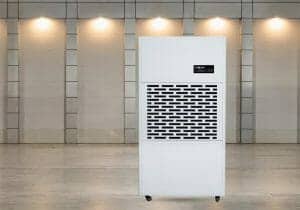
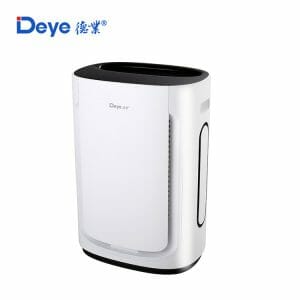
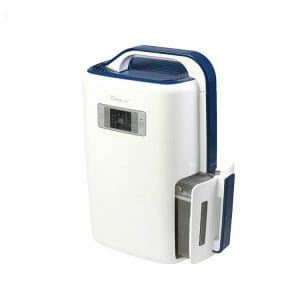
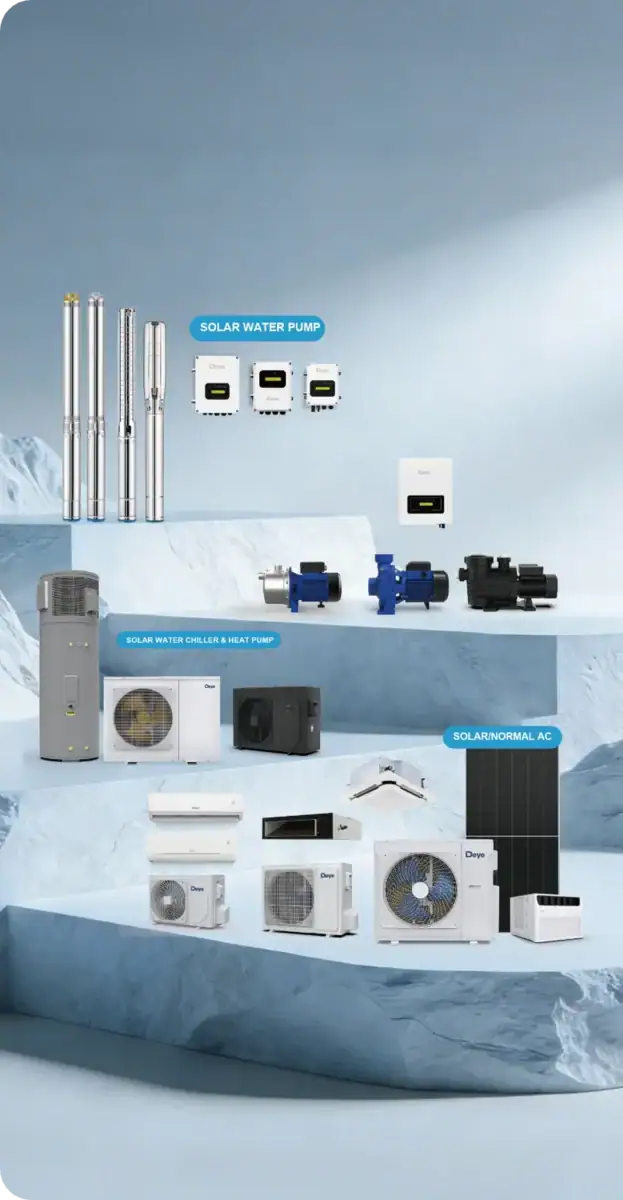
So, What’s the Verdict? Explore Deye Dehumidifier Products For Your Project
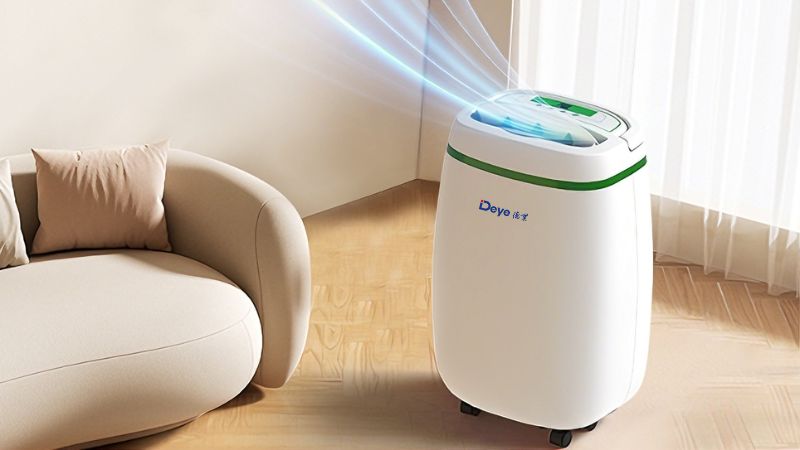
Using a dehumidifier to dry your clothes is a fantastic idea. It’s cheaper, greener, and gentler on your fabrics than a tumble dryer, and it even helps keep your home’s air fresh and healthy. It’s a simple switch that makes a big difference.
Ready to make laundry day easier? Check out our range of Deye dehumidifiers and find the perfect one for your home.