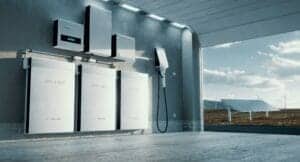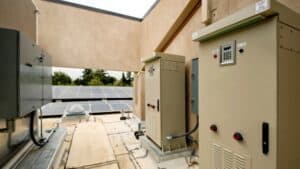

The right inverter impacts how you use, store, and manage your power supply, whether you want grid backup or total independence. Here’s a clear guide to how each inverter works, their advantages, and which system best fits your needs.
How Hybrid Inverters Work
Modes of Operation
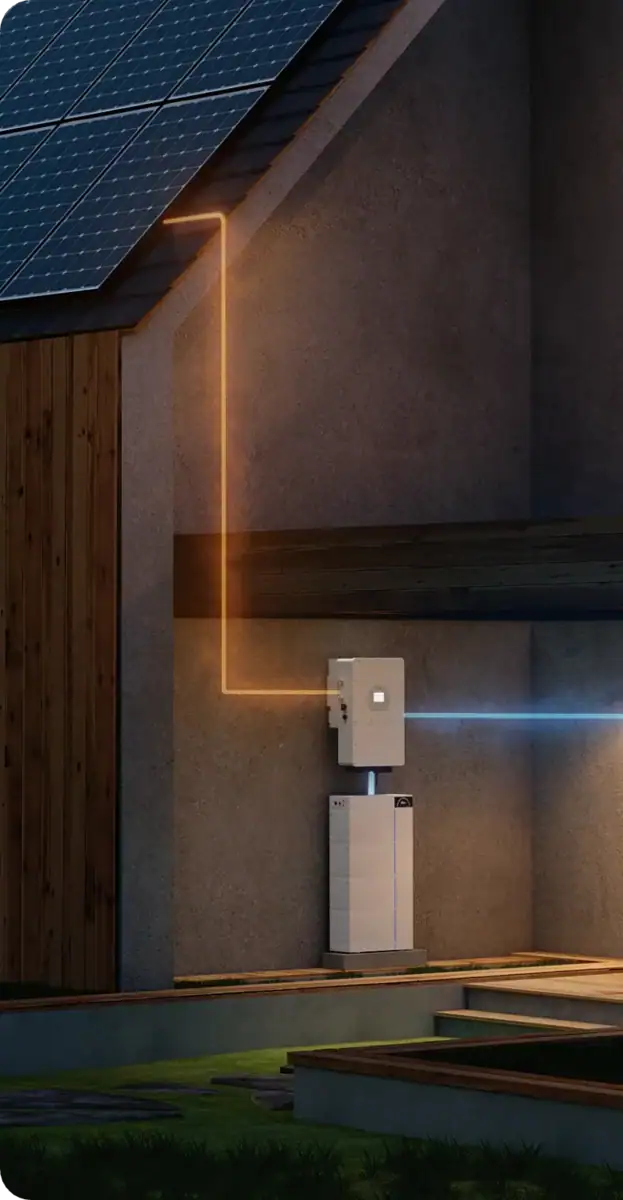
A hybrid inverter automatically selects the best power source based on your energy needs. In solar energy mode, it uses power from your solar panels. When production exceeds demand, extra energy charges your storage system. If your battery is full, surplus power can be exported back to the grid.
In backup power mode, the hybrid inverter instantly switches to battery power during grid outages. Grid-tie mode allows you to draw from or send excess energy to the grid as needed, ensuring a reliable power supply.
Most hybrid inverters feature an LCD display, making it easy to monitor which mode is active and track your energy usage.
Battery Integration and Management
The battery inverter component manages DC power between your solar panels and storage system. MPPT charge controllers optimize charging by adjusting voltage and current for your battery type, whether lithium-ion or lead-acid.
The inverter protects your battery by preventing overcharging and deep discharge, switching to grid or solar power as needed to maintain battery health through advanced battery management features..
Smart Energy Management Features
Smart energy management in a hybrid inverter prioritizes solar power, then battery storage, and finally the grid. You can program your inverter to charge the battery during off-peak hours and use stored energy during peak times, reducing your electricity bills.
Modern hybrid systems allow you to monitor and adjust settings remotely via apps or web platforms, offering real-time insights into your solar energy production, consumption, and storage.
Pros and Cons of Hybrid Inverters
Pros:
- Grid acts as unlimited backup, reducing battery costs and size requirements
- Earn credits by selling excess solar power back to the grid
- Can start with smaller system and expand over time
- Protection during power outages while maintaining grid connection
- Lower risk of running out of power during extended cloudy periods
Cons:
- Still vulnerable to grid outages unless battery backup is sized adequately
- Requires grid connection, making it unsuitable for remote areas
- May face regulatory complexity regarding grid-tie permits and net metering policies
How Off Grid Inverters Work
System Design and Layout
The off-grid solar inverter is the central hub of your system. Solar panels feed DC power to the inverter, which then supplies AC power to your appliances. Excess solar energy charges your battery storage for later use at night or during cloudy weather.
Core Components:
- Solar panel array
- Off-grid inverter
- Battery bank
- Charge controller (often integrated)
- Optional backup generator
System sizing depends on your daily energy consumption, location, and sunlight. Most homes require 5-15 kW of solar panels and 10-30 kWh of battery storage, with enough backup power to cover 2-3 days of typical use.
Battery Storage and Power Supply
Batteries are essential for off-grid systems. Excess solar power charges your battery during the day, and the inverter draws from this storage to supply AC power at night or in poor weather. If batteries run low, a backup generator can be used.
Off Grid Mode Functionality
Off-grid mode means your inverter operates independently, managing all power conversion, storage, and delivery. The inverter monitors battery charge and solar output, switching to a backup generator automatically if needed to protect your battery and ensure continuous power supply.
Pros:
- Complete energy independence with no reliance on utility companies
- Immune to grid outages and utility rate increases
- Ideal for remote areas where grid connection is unavailable or prohibitively expensive
- Simplified regulatory requirements with no grid-tie permits needed
Cons:
- Higher upfront costs for larger solar panel arrays and battery banks
- Risk of power shortage during periods of low solar production or high demand
- Battery replacement represents significant ongoing expense
- Often needs backup generator for reliability, adding complexity and maintenance
Hybrid Inverter vs. Off-Grid Inverter
|
Aspect
|
Hybrid Inverter
|
Off-Grid Inverter
|
|---|---|---|
|
Power Source Management
|
Manages three power sources: solar panels, batteries, and utility grid
|
Manages two power sources: solar panels and batteries only
|
|
Grid Connection
|
Maintains physical connection to utility grid
|
Zero connection to utility grid – completely isolated
|
|
Power Switching
|
Automatically switches between solar, battery, and grid sources
|
Only switches between solar and battery sources
|
|
Blackout Response
|
Switches to battery power automatically during grid outrages (backup mode)
|
Always operates independently – unaffected by grid status
|
|
Energy Export
|
Can sell excess power back to the grid company for credits
|
Cannot export power – no grid connection available
|
|
Battery Bank Size
|
Smaller battery banks required (grid provides backup)
|
Larger battery banks required (2-3 times more capacity needed for complete independence)
|
|
Solar Panel Requirements
|
Fewer panels needed – grid fills gaps in production
|
More panels required to meet all daily needs plus fully charge batteries
|
|
Upfront Cost
|
Higher inverter cost (grid management features), lower battery costs
|
Lower inverter cost, higher battery and panel costs
|
|
Energy Independence
|
Partial independence – still relies on grid as safety net
|
Complete energy independence – self-sufficient system
|
|
Best Use Case
|
Areas with reliable grid + desire for backup and bill reduction
|
Remote areas without grid access or complete off-grid lifestyle
|
Performance, Flexibility, and Efficiency Comparison
- Conversion efficiency: Hybrid inverters typically achieve very high DC→AC conversion (often mid‑90s to high‑90s%), and off‑grid inverters are similar; the practical difference comes from system-level losses (battery charge/discharge cycles and round‑trip efficiency), not the inverter alone.
- Array yield and MPPT use: Multiple MPPT inputs increase real‑world energy harvest in complex or partially shaded arrays. This benefits both types, but hybrid solar often exploit higher grid availability to prioritize exporting or storing excess yield for economic optimization.
- Sizing and system design tradeoffs: Hybrids let you size batteries and panels more modestly because the grid can fill shortfalls; off‑grid systems require larger battery banks and more PV capacity to guarantee autonomy, increasing upfront capital.
- Operational flexibility and control: Hybrids offer programmable strategies (time‑of‑use charging, zero‑export limits, grid services) that optimize cost and grid interaction, while off‑grid systems focus on maximizing self‑sufficiency and must manage loads to preserve stored energy.
- Cost vs. resilience: Hybrids generally have higher inverter cost but lower battery/panel capital for the same day‑to‑day convenience; off‑grid setups demand greater battery and PV investment to achieve full independence and resilience.
Choosing the Right Inverter for Your Needs
Your choice between a hybrid inverter and an off-grid inverter depends on your location, grid availability, and how you plan to use your solar system.
Application Scenarios
Off-grid inverters work best when you have no access to the utility grid or want complete independence. Remote areas, rural properties, and areas with unreliable power service benefit most from this setup.
Your solar panels and battery storage must handle 100% of your electricity needs with an off-grid system. This requires careful planning to avoid running out of power during cloudy weather or high-demand periods.
Hybrid inverters suit homes and businesses connected to the grid. You get backup power during outages while staying connected for extra security. This setup lets you use stored energy during expensive peak hours and draw from the grid when needed.
Urban and suburban properties almost always benefit more from hybrid systems. You maintain grid access while building energy independence gradually.
Installation and Maintenance Factors
Off-grid solar installations require careful design to match your exact energy needs; undersizing can leave you without power, while oversizing wastes money.
Hybrid systems allow for simpler installation, using the utility grid as a backup, enabling you to start small and expand as needed.
Maintenance varies by system:
- Both need regular solar panel cleaning and annual inspections.
- Off-grid batteries require frequent monitoring to avoid deep discharge.
- Hybrid systems benefit from firmware updates to enhance efficiency.
- Off-grid setups often include backup generators needing routine service.
Location also influences maintenance; harsh climates necessitate more durable equipment and frequent checks.
Deye: Your Complete Solar Energy Partner
Deye has been a trusted global manufacturer of solar energy solutions for decades, offering reliable solar inverters, energy storage, solar air conditioning, and dehumidifiers. We design tailored grid-connected and off-grid systems that maximize efficiency and independence, backed by industry-leading performance and support. Ready to power your future? Contact us>>>
Frequently Asked Questions
Can you use a hybrid inverter for a completely off-grid solar system?
Yes, hybrid inverters can be used in off-grid solar systems. However, they require a robust battery storage system to provide power during times when solar generation is insufficient. This setup offers the flexibility to utilize grid power when available, making it suitable for various energy needs.
Is it possible to upgrade from an off-grid inverter to a hybrid inverter?
Yes, upgrading from an off-grid inverter to a hybrid inverter is feasible. This typically involves replacing the existing inverter and integrating new components for grid compatibility, such as battery management systems. Retrofitting may require some adjustments to the solar array and battery setup, depending on the specifications of the hybrid inverter.